
Zabiha Explained for Muslims Living in America

For Muslims living in the United States, finding food that aligns with Islamic dietary laws can sometimes feel confusing. Words like halal, Zabiha, and halal-certified appear on restaurant signs and grocery products, but they don’t always mean the same thing. Understanding what Zabiha truly is — and why it matters — helps Muslim families make confident and faith-conscious food choices in America.
How Zabiha Works in the US Meat Industry

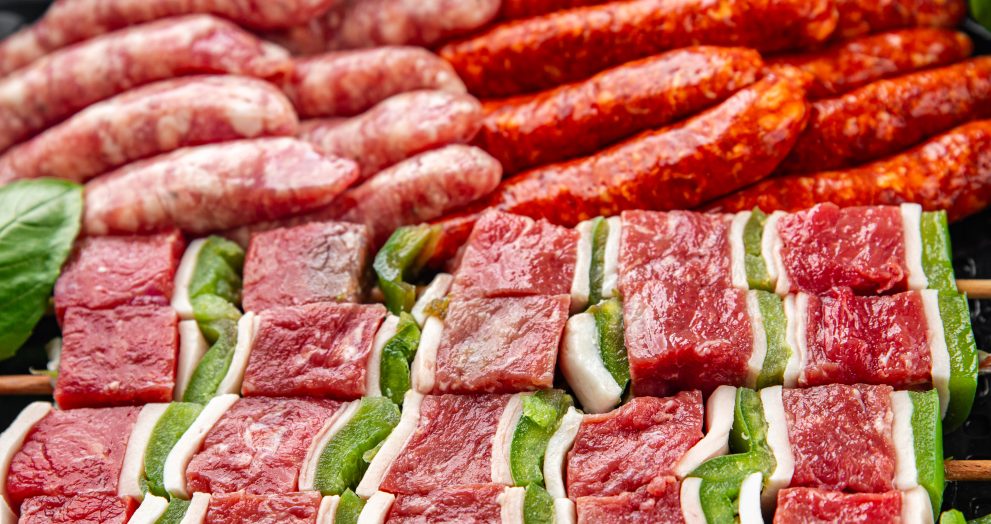
For Muslims living in the United States, accessing authentic Zabiha meat requires navigating a large commercial meat system that was not originally built around Islamic dietary laws. While the American meat industry is one of the biggest in the world, Zabiha operates within it through specialized halal slaughterhouses, certification bodies, and distribution networks that ensure Islamic compliance while meeting US food safety standards.

The Importance of Zabiha for American Muslim Families

For Muslim families living in the United States, food is more than nourishment — it is deeply connected to faith, values, and daily religious practice. In a country where most meat is not prepared according to Islamic guidelines, Zabiha plays a vital role in helping Muslim households maintain halal living while navigating American society.

Understanding why Zabiha matters helps parents, children, and communities make informed choices that preserve both spiritual integrity and cultural identity.

The Real Difference Between Halal and Zabiha in the USA

For many Muslims living in the United States, the words halal and Zabiha are often used interchangeably. Restaurant signs, grocery labels, and food apps frequently advertise “halal food,” yet within Muslim communities you will often hear a deeper question: Is it halal or is it Zabiha?

Why Many US Restaurants Label Halal But Aren’t Zabiha

Across the United States, halal signs have become increasingly common on restaurant windows, food trucks, and menus. From burgers to fried chicken to Mediterranean platters, “halal food available” is now a popular marketing label.

Halal Certification vs True Zabiha Practices in America

For Muslims living in the United States, seeing a halal certificate on a restaurant wall or meat package often brings a sense of relief. Certification appears to guarantee that food meets Islamic dietary standards. However, many American Muslims have learned through experience that halal certification does not always equal true Zabiha slaughter.

Understanding the difference between certified halal and authentic Zabiha practices is essential for families who want full religious compliance and peace of mind.

Simple Ways to Confirm Zabiha Authenticity in US Restaurants

For Muslims living in the United States, eating out often comes with an important question: Is this restaurant truly Zabiha, or just labeled halal? With inconsistent halal standards across the country, learning how to verify Zabiha authenticity helps families dine with confidence and peace of mind.

Fortunately, there are several simple and practical ways to confirm whether a restaurant genuinely follows Zabiha practices.

Warning Signs a Restaurant Isn’t Truly Zabiha

For Muslims living in the United States, finding halal food is easier than ever — but finding true Zabiha is still not always simple. While many restaurants proudly display halal signs, not all of them follow proper Islamic slaughter practices.

Knowing the common warning signs can help Muslim diners avoid doubtful food and choose places that genuinely respect Zabiha standards.

Smart Questions Every Muslim Should Ask About Zabiha Meat

Eating Zabiha meat in the United States requires more than trusting a “halal” label. Because halal standards can vary widely, and not all restaurants or suppliers follow true Zabiha practices, asking the right questions is essential. These questions help American Muslims ensure their meals meet Islamic requirements while maintaining peace of mind.

Smart Questions Every Muslim Should Ask About Zabiha Meat

For Muslims living in the United States, finding Zabiha meat can sometimes be challenging. While halal labeling is common, not all “halal” meat meets the strict Islamic requirements of Zabiha slaughter. Being informed and asking the right questions helps families and individuals ensure that their food complies with Islamic dietary laws, provides peace of mind, and supports honest businesses.