Grilled vs Smoked Zabiha — Which Tastes Better?

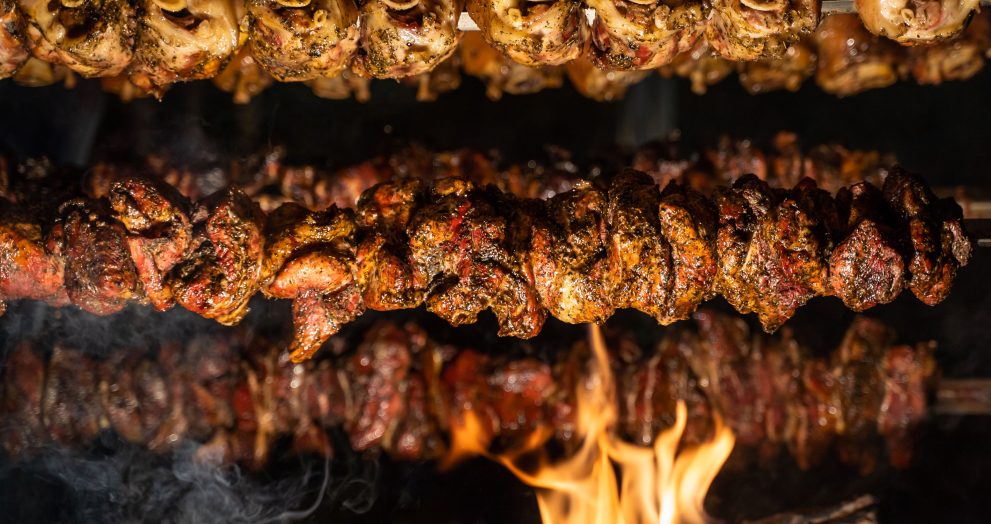
Zabiha halal cuisine in the United States has grown far beyond everyday meals, with restaurants and food trucks offering sophisticated grilling and smoking techniques for beef, chicken, lamb, and goat. Among the most common preparations in Zabiha dining are grilled and smoked meats. Both methods produce delicious results, but they offer distinct flavors, textures, and dining experiences. Understanding the differences can help diners decide which preparation suits their taste and occasion.
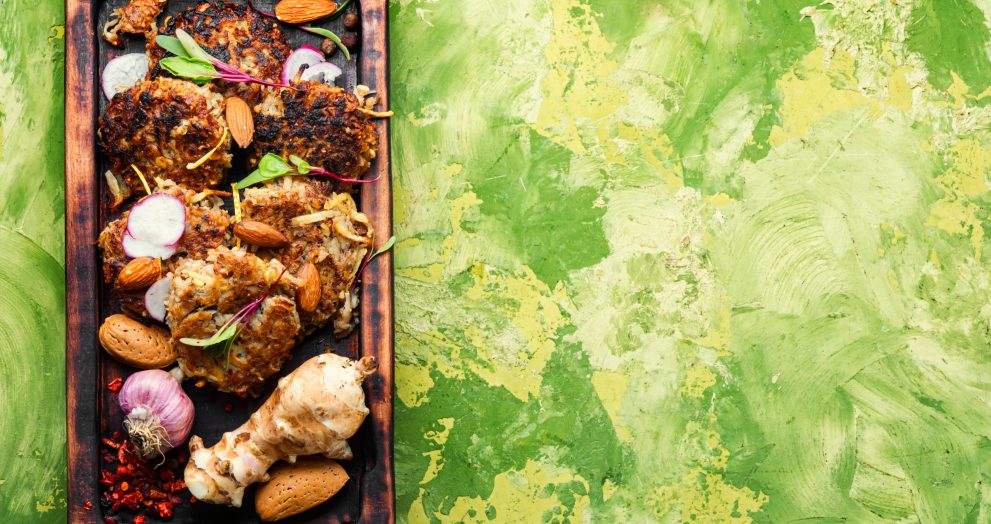

Ultimate Zabiha Grill Platters to Try

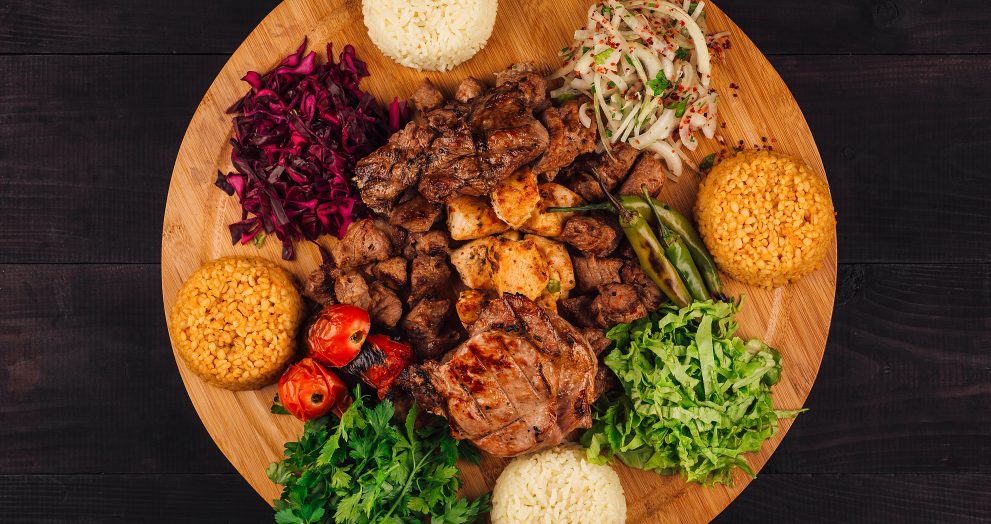
Zabiha halal dining in the United States has evolved into a diverse culinary scene, offering everything from street-style wraps to family-style platters. Among the most popular offerings are grill platters — generous servings of premium Zabiha meats cooked to perfection. These platters combine flavor, variety, and tradition, making them a must-try for anyone seeking a satisfying halal meal.

Grill platters are a reflection of cultural diversity, bringing together Middle Eastern, South Asian, and American flavors on a single plate. They are perfect for families, groups, or solo diners looking for a hearty, protein-rich meal.

How Zabiha Is Mixing with American Flavors

Zabiha halal cuisine has a long tradition of strict preparation rules, ensuring meat is ethically and ritually slaughtered. In the United States, where culinary innovation is celebrated, Zabiha has begun to merge with American flavors, creating a unique fusion that satisfies both cultural authenticity and modern tastes. This trend is reshaping halal dining across the country, from food trucks to fine dining restaurants, while offering Muslims and non-Muslims alike new ways to enjoy traditional halal meat.

New Fusion Dishes Taking Over Zabiha Menus

The landscape of Zabiha halal dining in the United States is evolving rapidly. Once dominated by traditional Middle Eastern, South Asian, and Mediterranean dishes, halal restaurants are now embracing fusion cuisine, combining Zabiha meats with American flavors, global trends, and innovative culinary techniques. This shift is creating a new generation of dishes that appeal to both Muslim diners seeking halal compliance and adventurous food lovers looking for bold, creative flavors.

From casual fast-casual eateries to upscale halal restaurants, fusion Zabiha dishes are becoming the centerpiece of menus across major U.S. cities. These meals demonstrate that halal cuisine can honor tradition while adapting to modern tastes.

Why Many Muslims Prefer Zabiha for Better Health

Zabiha halal meat has long been a cornerstone of Muslim dietary practice, observed not only as a religious obligation but also for its perceived health benefits. Across the United States and around the world, many Muslims prefer Zabiha-certified meat because it is considered cleaner, ethically sourced, and carefully prepared. Beyond spiritual significance, these practices have important implications for physical health, nutrition, and overall well-being.

Nutritional Value of Zabiha Meat Explained

Zabiha halal meat is more than just a religious requirement for Muslims—it is also a source of high-quality nutrition. Prepared according to Islamic guidelines, Zabiha meat is not only ethically sourced but also retains its natural nutrients, making it a healthy choice for daily meals. Across the United States, Zabiha-certified meat is increasingly popular among families, health-conscious consumers, and anyone seeking clean, wholesome protein.

Understanding the nutritional benefits of Zabiha meat can help diners make informed choices about their diet while enjoying flavorful and ethically prepared meals.

How Zabiha Processing Affects Meat Quality

Zabiha halal meat is central to Muslim dietary practices, observed for both spiritual and ethical reasons. Beyond religious significance, the method of Zabiha processing has a profound impact on the quality, safety, and nutritional value of the meat. Across the United States, Zabiha meat has become increasingly popular in grocery stores, restaurants, and halal markets, not only for faith compliance but also for its superior characteristics compared to conventionally processed meat.

Building a Healthy Diet Around Zabiha Meat

Zabiha halal meat is more than a dietary requirement for Muslims—it’s a foundation for a healthy, balanced lifestyle. Properly prepared Zabiha meat is clean, ethically sourced, and packed with essential nutrients, making it an excellent protein choice for daily meals. Across the United States, families, fitness enthusiasts, and health-conscious individuals are increasingly incorporating Zabiha meat into their diets as a central element of wholesome eating.

Zabiha Choices for Fitness & Weight Control

For Muslims committed to halal living, Zabiha meat is not only a dietary requirement but also a versatile source of high-quality protein essential for fitness and weight management. Across the United States, fitness enthusiasts and health-conscious individuals are discovering that Zabiha chicken, beef, lamb, and goat can support muscle growth, fat loss, and overall well-being when incorporated strategically into a balanced diet.

Choosing the right Zabiha cuts, preparing them appropriately, and pairing them with nutrient-rich foods allows for effective weight control while honoring dietary requirements.

Clean & Natural Zabiha Meal Ideas

Zabiha halal meat is celebrated for its ethical preparation, nutritional benefits, and clean handling. Beyond spiritual significance, it serves as a versatile ingredient for meals that are wholesome, natural, and packed with flavor. Across the United States, more families, fitness enthusiasts, and health-conscious consumers are embracing Zabiha meat as a centerpiece for clean eating, where simple, minimally processed foods create nourishing and satisfying meals.