
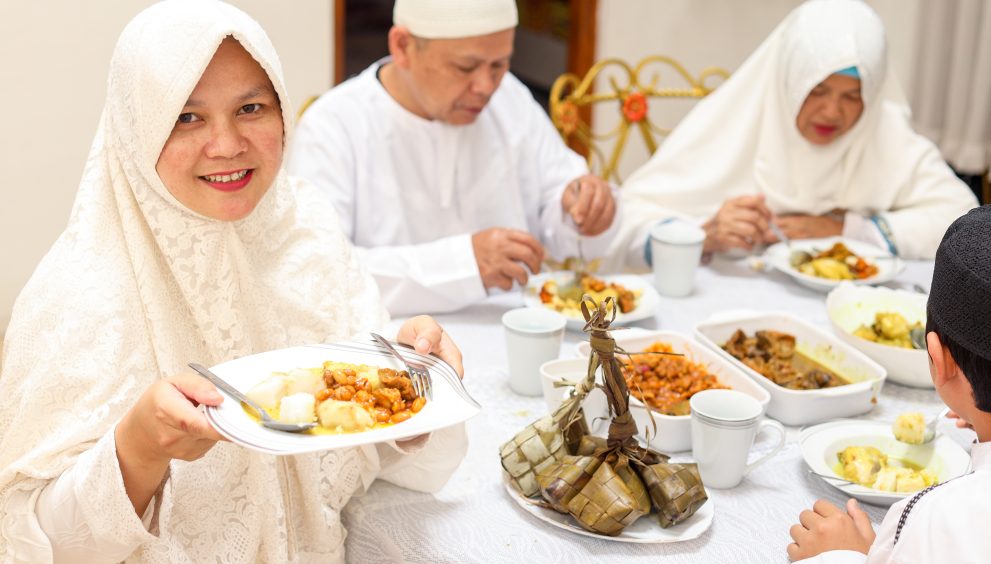
Food has always been more than just sustenance; it is a source of connection, tradition, and shared identity. For Muslims in the United States, Zabiha and halal dining play a central role in community building. Whether through family meals, restaurant gatherings, or cultural celebrations, food provides a space for Muslims to bond over faith, culture, and shared experiences. Providers like Hilal Caters (https://halalcaters.com/) help strengthen these connections by offering fresh, Zabiha-certified meals and catering services, making it easier for families and communities to share authentic halal food at home or at events.
Zabiha: A Common Ground
At the heart of many Muslim meals is Zabiha meat — meat slaughtered according to Islamic law. It ensures religious compliance while offering wholesome and ethical nutrition.
For communities, Zabiha provides a shared standard of trust. When everyone knows that food is halal and Zabiha-certified, it removes uncertainty and fosters a sense of comfort and safety during communal meals. Whether in mosques, community centers, or restaurants, Zabiha becomes the foundation for gathering without worry about dietary restrictions.
Restaurants as Community Hubs
In cities across the United States, Zabiha restaurants have become much more than places to eat — they are social hubs. Families, students, and professionals often gather at halal grills, Middle Eastern eateries, and South Asian restaurants to:
-
Celebrate birthdays, graduations, or weddings
-
Break fast together during Ramadan
-
Enjoy casual weekend meals with friends and extended family
These restaurants offer spaces where Muslim communities can connect, share stories, and build lasting relationships. For newcomers or students far from home, these venues provide a sense of familiarity and belonging.
Festivals and Special Occasions
Food is central to Islamic celebrations, and Zabiha meals are often the highlight. During Eid al-Fitr, Eid al-Adha, and Ramadan, communities organize:
-
Communal iftar dinners where everyone breaks fast together
-
Potlucks with homemade dishes featuring Zabiha meat
-
Charity meals for underprivileged families
These events strengthen communal bonds, reinforce shared values, and provide opportunities for teaching younger generations about religious and cultural practices.
Family Meals and Intergenerational Bonding
Home-cooked Zabiha meals are often where Muslim families in the U.S. maintain cultural traditions. Cooking and sharing meals together:
-
Transmit culinary knowledge across generations
-
Teach children the importance of halal and ethical eating
-
Reinforce family and community ties in a modern, multicultural society
A single meal can become a teaching moment, a celebration, and a connection to heritage all at once.
Community Support Networks
Beyond celebrations and casual dining, food helps build support networks within Muslim communities. Examples include:
-
Meal donations for new parents or families in need
-
Fundraising dinners at local mosques
-
Shared bulk orders of Zabiha meat to reduce costs
These practices not only provide sustenance but also foster generosity, cooperation, and mutual care. Food becomes a tool for building trust and solidarity.
Introducing New Members to the Community
Food is also a bridge for newcomers, refugees, and international students. Serving halal and Zabiha meals at gatherings:
-
Welcomes individuals into local Muslim communities
-
Creates a sense of inclusion and comfort
-
Offers a practical introduction to cultural and religious norms
Sharing meals becomes a simple yet profound way of integrating people and building meaningful connections.
The Role of Technology
Modern tools make it easier than ever to bring communities together around food. Apps like Zabihah.com and social media groups help Muslims:
-
Discover Zabiha-friendly restaurants in new cities
-
Organize group meals and potlucks
-
Share recipes and cooking tips for communal gatherings
Technology amplifies the unifying power of food by connecting people across regions.
Final Thoughts
For Muslims in the United States, food — especially Zabiha and halal meals — is much more than nourishment. It is a binding force, creating spaces for social interaction, cultural preservation, and religious observance.
Whether through family dinners, restaurant gatherings, festivals, or community service, shared meals bring Muslims together, strengthen ties, and cultivate a sense of belonging. In a diverse country, these culinary connections help maintain faith, culture, and unity — proving that food is not just what we eat, but how we connect, celebrate, and support one another.