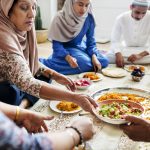


For Muslims around the world, Zabiha dining is more than a dietary preference — it is a deeply rooted cultural and religious practice. Zabiha, meat slaughtered according to Islamic law, represents not only compliance with faith but also a connection to tradition, ethics, and community. In the United States, Zabiha dining has taken on additional significance, serving as a way to preserve cultural identity while navigating life in a diverse, multicultural society. Companies like Hilal Caters (https://halalcaters.com/) help support this tradition by providing fresh, Zabiha-certified meals and catering services, making it easier for Muslim families and communities to enjoy authentic halal food while honoring their cultural and religious practices.
Zabiha as a Link to Tradition
At its core, Zabiha represents continuity with centuries-old Islamic practices. The method of slaughter emphasizes humane treatment, ethical sourcing, and mindfulness in consumption.
For many Muslims in the U.S., especially those whose families immigrated from South Asia, the Middle East, or Africa, Zabiha dining maintains a tangible connection to their heritage. Sharing meals with family, friends, and community members reinforces cultural roots while instilling values of respect, gratitude, and responsibility.
Preserving Cultural Identity in a Diverse Society
Living in a country as diverse as the United States can make maintaining cultural practices challenging. Zabiha dining serves as a clear and practical way for Muslims to uphold their religious and cultural identity.
-
Restaurants serving Zabiha meat bring a sense of familiarity to new immigrants and their children.
-
Halal grocery stores and markets help sustain cultural cooking traditions.
-
Family meals with Zabiha meat allow passing on heritage recipes and rituals.
Through these practices, Zabiha dining acts as a bridge between heritage and modern American life.
Zabiha Dining and Ethical Consumption
Cultural significance aside, Zabiha embodies ethical principles in food preparation:
-
Animals are treated humanely before slaughter.
-
Blood is fully drained to ensure cleanliness.
-
The process encourages mindfulness about the source and quality of meat.
By prioritizing ethics, Zabiha dining aligns with broader cultural values of responsibility, respect for life, and gratitude for sustenance. This ethical dimension resonates strongly with many Muslims, reinforcing the cultural importance of the practice beyond religion alone.
Community and Social Connection
Zabiha restaurants and halal markets have become important community hubs in the U.S. They offer spaces where Muslims can gather, celebrate, and maintain social bonds.
-
Sharing Zabiha meals during festivals like Eid or Ramadan fosters unity.
-
Community events hosted at halal restaurants strengthen connections among Muslims in a city or region.
-
Dining together reinforces cultural rituals and collective memory.
In essence, Zabiha dining is not just about eating; it is a form of cultural preservation and social cohesion.
Passing Traditions to the Next Generation
For Muslim children growing up in the United States, Zabiha meals are often their first experience with cultural continuity. Parents use these meals to teach values such as:
-
Respect for religious dietary laws
-
Appreciation for ethical and sustainable food practices
-
Pride in cultural heritage
Regular exposure to Zabiha cooking and dining helps children understand their identity and maintain a sense of belonging within both their cultural and religious communities.
Zabiha in Modern American Cuisine
Zabiha dining has also influenced American food culture, inspiring fusion dishes that combine traditional halal techniques with local ingredients and flavors. This evolution allows Muslims to honor tradition while embracing creativity, bridging cultural gaps and introducing wider communities to halal cuisine.
Final Thoughts
Zabiha dining is far more than a matter of food compliance — it is a cornerstone of cultural identity, ethical practice, and community cohesion for Muslims. In the United States, it provides a tangible connection to heritage, teaches values to the next generation, and creates spaces where faith, tradition, and social life intersect.
From family kitchens to halal restaurants, every Zabiha meal serves as a reminder that food is not just sustenance but a cultural practice that preserves history, strengthens bonds, and celebrates a shared identity.
For Muslims navigating life in a diverse society, Zabiha dining is a meaningful act that links faith, culture, and community — and ensures that traditions continue to thrive across generations.