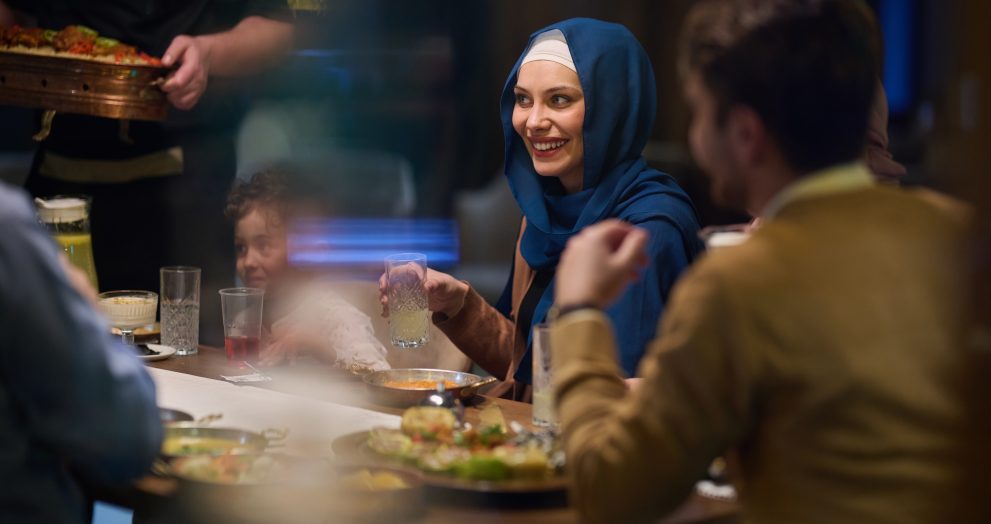
Proper Etiquette at Zabiha Restaurants

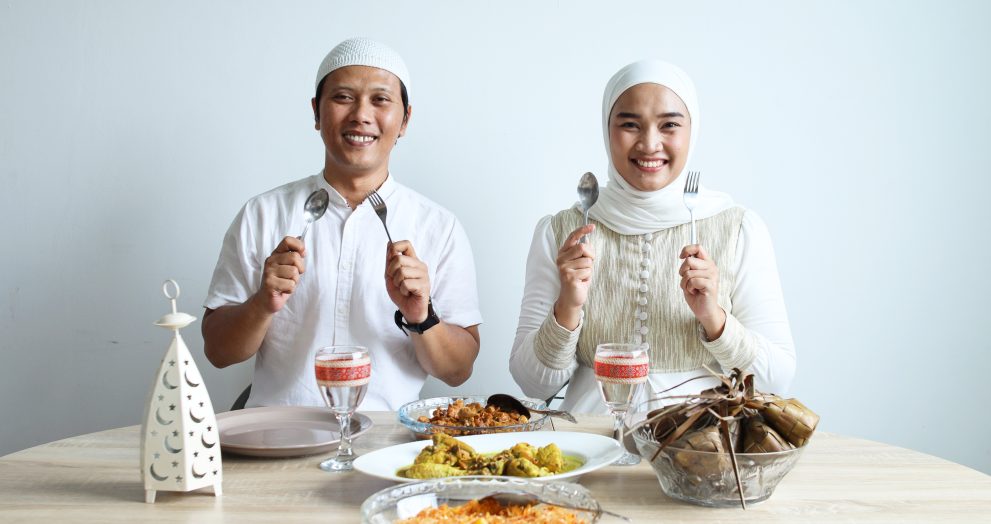
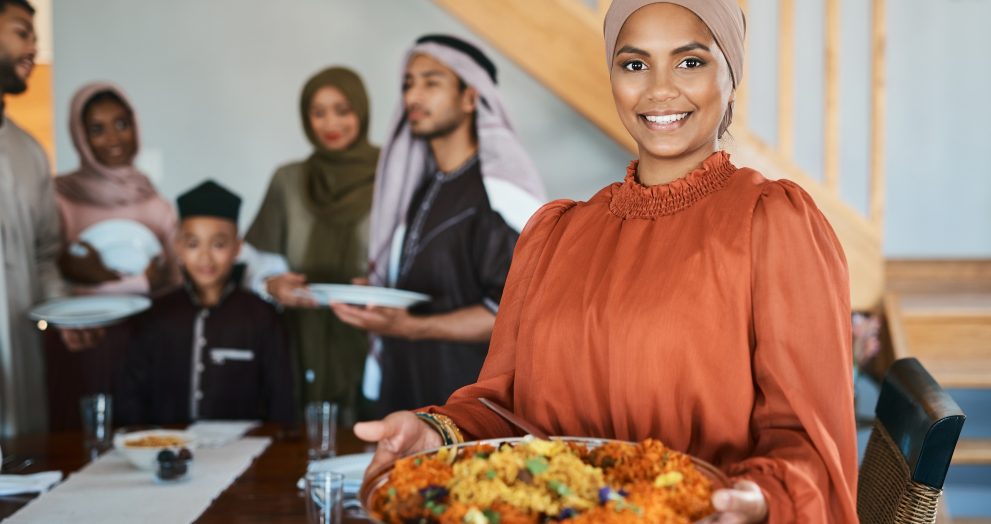
Zabiha restaurants are more than places to enjoy halal meals—they are cultural and community hubs where faith, tradition, and hospitality intersect. Whether you’re dining alone, with family, or at a special gathering, observing proper etiquette ensures a respectful and enjoyable experience for everyone.

Understanding and following these guidelines helps maintain the integrity of Zabiha dining while promoting harmony in diverse restaurant settings.
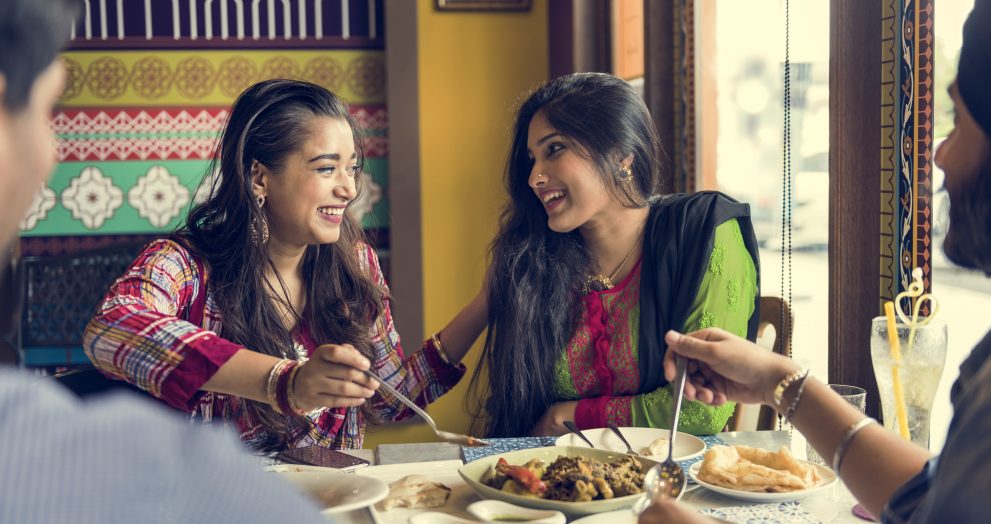
What First-Time Diners Should Know About Zabiha Restaurants

Visiting a Zabiha restaurant for the first time can be an exciting experience. These halal-certified restaurants offer a combination of flavorful meals, cultural traditions, and community connection. However, for newcomers, understanding the basics of Zabiha dining can make the visit smoother, more enjoyable, and respectful of the restaurant’s practices.

Whether you are Muslim, exploring halal cuisine for the first time, or simply curious about Zabiha dining, these tips provide a helpful guide.

How US Zabiha Restaurants Source Their Meat

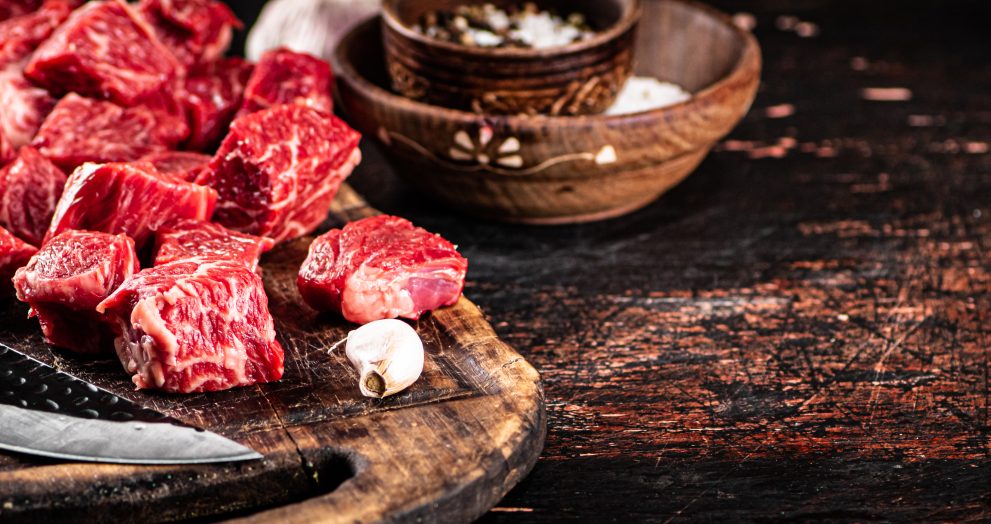
Zabiha restaurants across the United States have become vital hubs for Muslims seeking halal dining that complies with Islamic dietary laws. At the heart of this experience is the meat itself — meat that is slaughtered according to Zabiha principles, ensuring ethical handling, cleanliness, and religious compliance. But how exactly do these restaurants source their meat? Understanding the process provides insight into the quality, reliability, and trust that diners expect from Zabiha establishments.

Daily Operations Behind a Zabiha Kitchen

Running a Zabiha restaurant in the United States is more than just preparing meals—it is a careful orchestration of faith, hygiene, and culinary skill. From sourcing certified meat to serving customers, every step in a Zabiha kitchen is guided by both Islamic dietary laws and the standards of modern professional kitchens. Understanding the daily operations provides insight into why Zabiha restaurants are trusted for quality, flavor, and ethical dining.

From Farm to Table: Zabiha Supply Process

For Muslims in the United States, Zabiha meat represents not only dietary compliance but also ethical and cultural values. Behind every meal served at a Zabiha restaurant is a carefully managed supply chain, designed to ensure that the meat is halal, fresh, and ethically sourced. Understanding the journey of Zabiha meat—from farm to table—reveals the attention to detail and commitment to quality that defines this essential part of Muslim dining.

Emerging Trends in US Halal Dining

Halal dining in the United States has come a long way from being a niche cultural requirement to a dynamic part of America’s food scene. What began as local Middle Eastern and South Asian restaurants serving traditional Zabiha dishes has evolved into a landscape defined by culinary innovation, technology integration, ethical eating, and crossover appeal to mainstream diners. These shifts reflect broader trends in food culture, demographics, and consumer values.

Major Issues Facing Zabiha Restaurant Owners

Zabiha restaurants have become essential hubs for Muslim communities across the United States, offering ethically sourced, halal-compliant meals. Beyond serving delicious food, these restaurants play a vital role in cultural preservation, community gathering, and religious observance. However, operating a Zabiha restaurant comes with unique challenges that owners must navigate carefully. From sourcing meat to managing regulations and meeting customer expectations, the hurdles can be significant.

Keeping Compliance in the US Market: A Guide for Zabiha Restaurants

Operating a Zabiha restaurant in the United States requires more than culinary skill and cultural knowledge. It demands careful adherence to both religious standards and U.S. regulatory requirements. Compliance is critical to maintaining customer trust, ensuring food safety, and protecting the restaurant’s reputation. From sourcing meat to staff training, Zabiha restaurants must balance multiple layers of standards to thrive in a competitive market.

Staffing & Certification Struggles in Zabiha Restaurants

Zabiha restaurants have grown rapidly in the United States, serving as cultural hubs and providing ethically sourced, halal-compliant meals. Behind the scenes, however, owners face a unique set of challenges. Among the most persistent are staffing shortages and certification hurdles, both of which directly impact the quality, efficiency, and compliance of these establishments. Understanding these struggles provides insight into the operational complexities of running a Zabiha restaurant.

Growth of the Zabiha Food Market in the USA

The Zabiha food market in the United States has moved well beyond a niche segment into a fast‑growing, mainstream food sector. Once limited to a handful of neighborhood halal butcher shops and ethnic eateries, Zabiha halal meat and related products now appear in major supermarkets, restaurants, online platforms, and even food festivals from coast to coast. This growth reflects not only demographic shifts but also changing consumer preferences toward ethics, quality, and transparency in food — trends that benefit Zabiha and broader halal dining alike.