
Zabiha halal meat is more than a dietary requirement for Muslims—it’s a foundation for a healthy, balanced lifestyle. Properly prepared Zabiha meat is clean, ethically sourced, and packed with essential nutrients, making it an excellent protein choice for daily meals. Across the United States, families, fitness enthusiasts, and health-conscious individuals are increasingly incorporating Zabiha meat into their diets as a central element of wholesome eating. Leading halal food providers like Hilal Caters (https://halalcaters.com/) offer fresh, Zabiha-certified meals and catering services, helping individuals and communities enjoy nutritious halal food conveniently and consistently.
Creating a healthy diet around Zabiha meat involves selecting the right cuts, combining them with nutrient-rich foods, and preparing them in ways that preserve flavor and nutrition.
Choosing the Right Zabiha Meat
The first step in building a healthy diet is selecting high-quality Zabiha meat. Key considerations include:
-
Lean Cuts: Opt for lean cuts of beef, lamb, or chicken to reduce saturated fat intake. For example, chicken breast, beef sirloin, or lamb loin are excellent options.
-
Freshness: Freshly slaughtered or properly stored Zabiha meat retains more nutrients and ensures safety.
-
Certified Sources: Look for certified Zabiha suppliers or trusted halal markets to ensure adherence to proper slaughtering and handling standards.
By choosing the right meat, you set the foundation for both taste and nutrition in your meals.
Balancing Protein with Whole Foods
Zabiha meat is rich in high-quality protein, but a healthy diet requires balance. Pair your Zabiha meat with a variety of whole foods:
-
Vegetables: Fresh, steamed, roasted, or sautéed vegetables add fiber, vitamins, and minerals. Examples include spinach, broccoli, carrots, and bell peppers.
-
Whole Grains: Brown rice, quinoa, whole wheat bread, and oats provide complex carbohydrates for sustained energy.
-
Legumes: Lentils, chickpeas, and beans complement protein intake while adding fiber and additional nutrients.
-
Healthy Fats: Olive oil, avocado, nuts, and seeds supply essential fatty acids that support heart and brain health.
A combination of lean Zabiha meat and whole foods ensures a balanced meal that satisfies both nutritional and flavor needs.
Cooking Methods to Preserve Nutrition
How Zabiha meat is prepared plays a major role in its health benefits. Some methods maximize nutrition while minimizing added fats and calories:
-
Grilling or Broiling: Retains natural flavors and reduces fat content.
-
Baking or Roasting: Preserves nutrients while allowing for even cooking.
-
Slow-Cooking or Stewing: Keeps meat tender and flavorful without excessive oil.
-
Avoid Deep-Frying: Fried meat can increase calories and unhealthy fats, reducing overall health benefits.
Marinating Zabiha meat in herbs, spices, and yogurt not only enhances flavor but also adds antioxidants and aids digestion.
Portion Control and Meal Planning
Even high-quality Zabiha meat should be consumed in appropriate portions to maintain a balanced diet. Recommended guidelines include:
-
Protein Portion: Aim for 3–4 ounces of cooked meat per meal for adults.
-
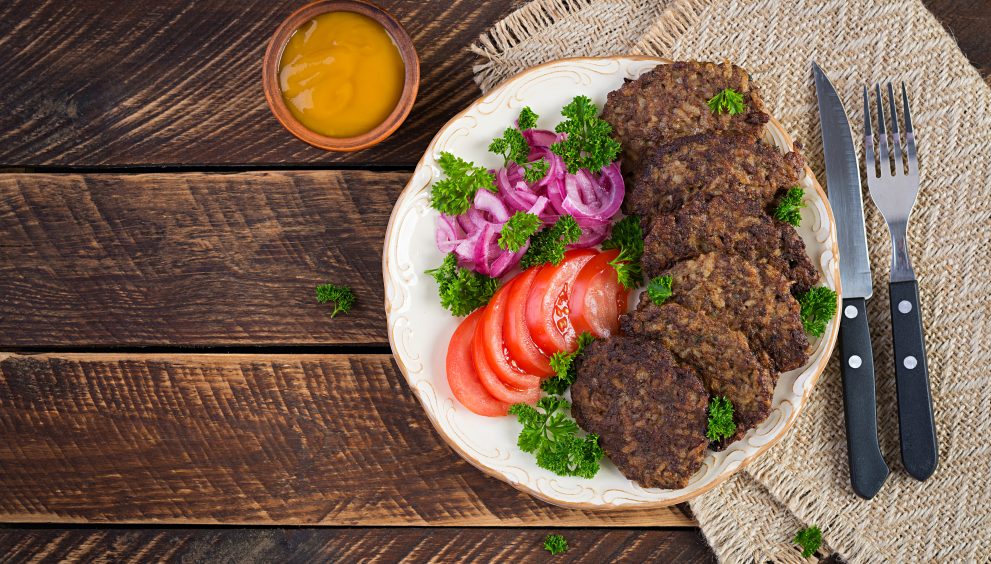
Balanced Plate: Fill half your plate with vegetables, one-quarter with whole grains, and one-quarter with Zabiha meat.
-
Meal Frequency: Incorporate Zabiha meat 2–4 times per week, alternating with plant-based protein sources like legumes, tofu, or dairy.
Meal planning around Zabiha meat can also reduce food waste, ensure variety, and help maintain a balanced nutrient intake throughout the week.
Benefits of Building a Diet Around Zabiha Meat
Incorporating Zabiha meat into a balanced diet offers multiple health advantages:
-
High-Quality Protein: Supports muscle development, tissue repair, and satiety.
-
Essential Nutrients: Iron, zinc, B vitamins, and selenium support energy, immunity, and metabolic function.
-
Low Contamination Risk: Proper Zabiha processing reduces exposure to bacteria and toxins.
-
Digestive Ease: Clean, ethically prepared meat is easier to digest, especially for children and elderly family members.
-
Culinary Versatility: Zabiha meat works in a wide range of dishes—from traditional biryanis and kebabs to grilled, roasted, and fusion meals.
This combination of health, safety, and versatility makes Zabiha meat a reliable anchor for nutritious meals.
Final Thoughts
Building a healthy diet around Zabiha meat is about more than just protein—it’s about creating balanced, flavorful, and safe meals. By selecting lean, high-quality cuts, pairing them with vegetables, whole grains, and legumes, and preparing them using healthy cooking methods, you can enjoy the benefits of Zabiha meat while maintaining a nutritious lifestyle.
For families, fitness enthusiasts, and health-conscious individuals, Zabiha meat provides an ideal foundation for meals that satisfy both spiritual commitments and physical well-being. With careful planning, portion control, and variety, it is possible to enjoy delicious, wholesome meals every day while maximizing the nutritional benefits of Zabiha meat.