
For Muslim families living in the United States, food is more than nourishment — it is deeply connected to faith, values, and daily religious practice. In a country where most meat is not prepared according to Islamic guidelines, Zabiha plays a vital role in helping Muslim households maintain halal living while navigating American society. Hilal Caters offers authentic Zabiha meat and catering services, helping families and event hosts access ethically prepared, halal-compliant meals with confidence. Trusted providers like HILAL CATERS make it easy to preserve spiritual integrity and cultural identity while enjoying high-quality, delicious Zabiha food.
Zabiha as a Core Part of Islamic Living
Zabiha is not simply a dietary preference. It is a religious obligation rooted in Islamic teachings. The method ensures that animals are treated humanely, Allah’s name is mentioned before slaughter, and the meat is lawful for Muslims to consume.
For American Muslim families, following Zabiha practices reinforces obedience to faith in an environment where halal food is not the default. Each meal becomes a reminder of Islamic values — mindfulness, gratitude, and responsibility.
Teaching Children Faith Through Food Choices
One of the biggest concerns for Muslim parents in the US is raising children who remain connected to Islamic practices while surrounded by mainstream culture.
Zabiha helps parents:
• Teach halal awareness from a young age
• Build discipline in food choices
• Encourage asking questions about ingredients
• Strengthen Islamic identity
When children understand why their family chooses Zabiha meat, they grow up with stronger religious confidence and clarity — even in schools, social events, and public spaces where halal options may be limited.
Creating Trust in What Families Eat
In Muslim-majority countries, people rarely worry about meat being halal. In America, families must actively verify food sources. Zabiha provides a clear standard that builds trust.
Families who choose Zabiha feel reassured that:
-
Their meals meet Islamic requirements
-
The slaughter process follows religious ethics
-
There is transparency in sourcing
-
They are avoiding doubtful food practices
This peace of mind is especially important for parents responsible for feeding children daily.
Strengthening Muslim Community Bonds
Zabiha is not only about individual households — it strengthens the entire Muslim community. Zabiha butcher shops, grocery stores, and restaurants often become gathering points where families connect, share recommendations, and support Muslim-owned businesses.
Through Zabiha-focused establishments:
• Local Muslim economies grow
• Community trust is built
• Religious standards are upheld collectively
• Cultural traditions are preserved
In many US cities, halal districts have formed around Zabiha businesses, becoming social hubs for Muslim families.
Health and Cleanliness Perceptions
Many American Muslim families believe Zabiha meat is cleaner and healthier due to the proper blood drainage and humane slaughter process. While health research varies, the perception of better quality plays a strong role in why families prefer Zabiha.
Common beliefs include:
-
Fresher meat
-
Better taste
-
Less odor during cooking
-
Higher cleanliness standards
Whether spiritual, cultural, or practical, these factors further strengthen trust in Zabiha food choices.
Navigating Social Life While Staying Halal
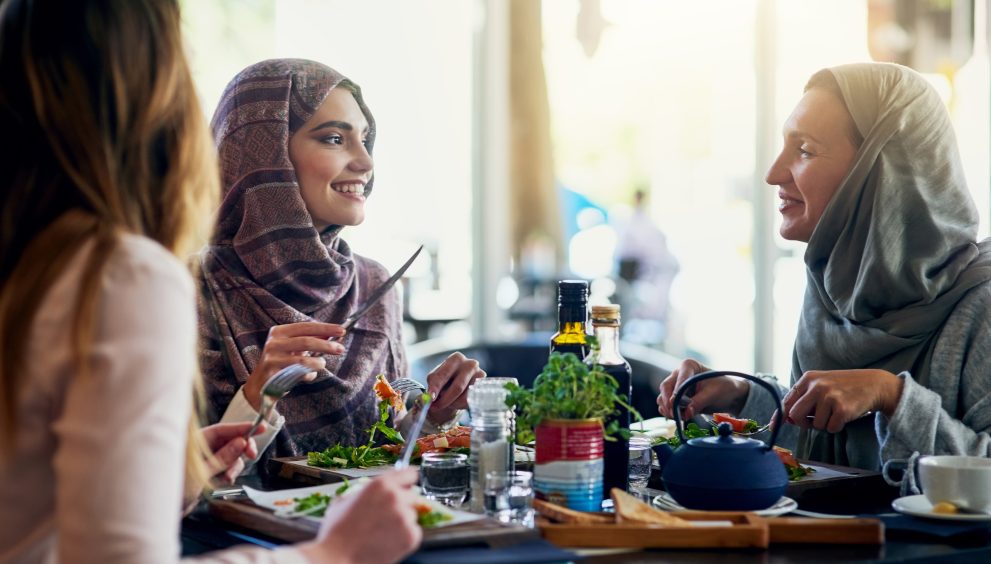
Birthday parties, school lunches, office events, and dining out can be challenging for Muslim families in the US. Zabiha allows families to participate socially without compromising religious values.
Many parents now:
• Bring Zabiha food to school events
• Choose Zabiha-friendly restaurants for gatherings
• Host halal BBQs and celebrations
• Educate friends and teachers about halal needs
This balance helps Muslim children feel included while remaining true to Islamic practices.
Passing Down Cultural and Religious Traditions
Food is one of the strongest ways culture is preserved. Traditional dishes — whether biryani, kebabs, shawarma, curries, or grilled meats — rely on halal and Zabiha meat.
By choosing Zabiha, families keep culinary traditions alive while adapting to American life. It allows grandparents, parents, and children to share meals that reflect both heritage and faith.
The Growing Accessibility of Zabiha in America
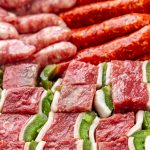
Thanks to increased demand, Zabiha meat is now far more available than in previous decades. Muslim families can find halal butcher shops, grocery chains with halal sections, online meat delivery services, and a wide range of Zabiha restaurants.
This accessibility has made it easier for families to consistently maintain halal diets without hardship.
Final Thoughts
For American Muslim families, Zabiha is far more than a food label — it is a foundation of religious practice, family values, and community connection. It teaches children faith-based discipline, builds trust in what is consumed, strengthens Muslim-owned businesses, and preserves cultural traditions.
In a non-Muslim society, Zabiha acts as a bridge that allows Muslim families to fully participate in American life while staying true to Islamic principles. As halal awareness continues to grow, Zabiha will remain central to Muslim households across the United States.