
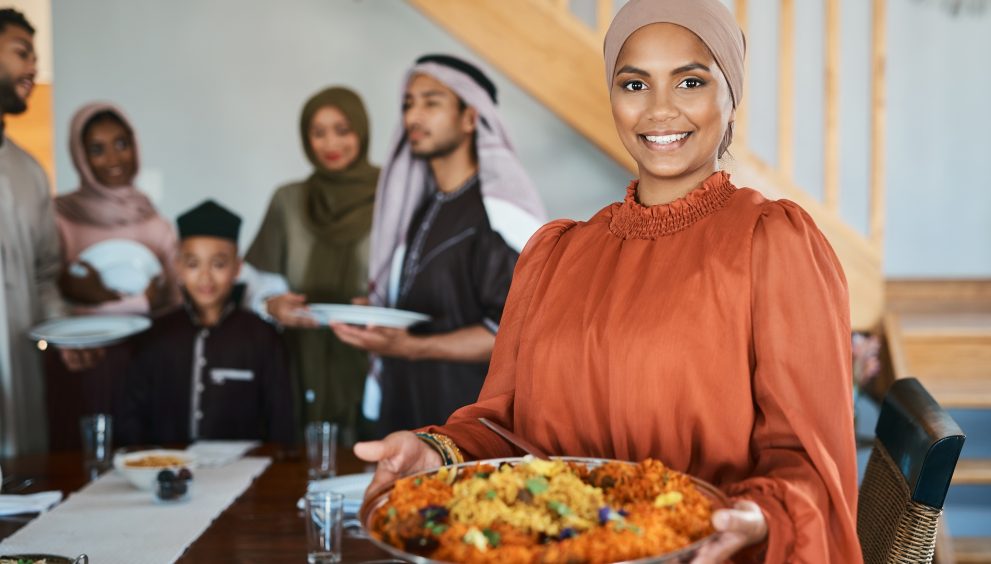
The Zabiha food market in the United States has moved well beyond a niche segment into a fast-growing, mainstream food sector. Once limited to a handful of neighborhood halal butcher shops and ethnic eateries, Zabiha halal meat and related products now appear in major supermarkets, restaurants, online platforms, and even food festivals from coast to coast. This growth reflects not only demographic shifts but also changing consumer preferences toward ethics, quality, and transparency in food — trends that benefit Zabiha and broader halal dining alike. Companies like Hilal Caters (https://halalcaters.com/) exemplify this expansion by offering accessible, high-quality Zabiha-certified meals and catering services that meet the needs of today’s diverse and health-conscious consumers.
Rapid Market Expansion
Industry reports show that the broader U.S. halal food market — which includes Zabiha meat — was valued at approximately $25.9 billion in 2023 and is forecast to reach around $43.2 billion by 2033, growing at a compound annual growth rate (CAGR) of about 5.1%. This growth demonstrates sustained expansion as demand increases across product categories and distribution channels.
Other analyses suggest even more dramatic projections when broader North American trends are considered, with the halal food market expected to expand from roughly $100 billion in 2024 to over $226 billion by 2033 at a CAGR near 9.5%.
While these figures include all halal food segments, they underscore the momentum behind halal demand — and Zabiha meat, as a central component, directly benefits from this rising tide.
Demographics Drive Demand
At the heart of the market’s growth is the increasing Muslim population in the U.S. Estimated at about 4.5 million in 2023 and projected to expand further in the coming decade, Muslim consumers provide a growing base of habitual halal purchasers.
However, the Zabiha market’s growth isn’t driven solely by religious requirements. Studies show that a significant share of halal food consumers are non‑Muslims drawn to halal for its perceived quality, ethical sourcing, and association with lean, minimally processed meat. In one industry study, a sizable proportion of halal food buyers (including Zabiha meat purchases) came from outside the Muslim community, drawn by factors like clean labeling and animal welfare.
This broader appeal expands the market beyond a single demographic group, turning halal and Zabiha foods into a mainstream consumer category, especially among health‑ and ethically‑minded shoppers.
Retail & Mainstream Availability
One of the strongest indicators of growth is how widely halal products are now sold in regular grocery channels. Major supermarket chains — including Walmart, Costco, and Whole Foods — increasingly stock Zabiha and halal‑certified meats, frozen meals, snacks, and ready‑to‑eat products.
This shift matters for two reasons:
-
Accessibility – Zabiha products are no longer confined to specialty markets in big cities; they’re accessible in suburbs and smaller towns, expanding reach.
-
Normalization – Seeing halal items alongside organic or gluten‑free options positions Zabiha foods as part of broader consumer trends focused on quality and ethics.
Retail expansion has helped broaden consumer awareness and integrate halal into standard shopping habits, fueling ongoing market growth.
E‑Commerce and Delivery Growth
Online halal food retail — including Zabiha meat delivery — is another accelerating trend. Platforms like Amazon’s halal grocery options and dedicated halal retailers allow shoppers nationwide to order certified products conveniently. This is especially valuable in areas with limited physical halal offerings. Apparently, online halal grocery sales and meal kit services have surged, reflecting broader e‑commerce adoption and convenience‑driven consumption patterns.
Technology also plays a role in building trust, with innovations such as QR code traceability and blockchain increasingly used to verify halal certification from farm to table. This transparency encourages broader consumer engagement and confidence in the authenticity of Zabiha products, which further expands the market.
Restaurant & Foodservice Expansion
Beyond retail, the Zabiha restaurant scene — including halal carts, sit‑down eateries, fusion concepts, and quick‑casual chains — continues to grow. Reports highlight local trends where communities have seen new businesses opening regularly in areas like Connecticut and across major metropolitan regions, reflecting robust demand.
Halal food’s presence in mainstream restaurant menus — from burgers and kebabs to renditions of American classics — broadens the appeal to non‑Muslim diners, further strengthening market demand. This crossover trend turns Zabiha dining into a cultural and culinary experience rather than a purely religious choice.
Drivers Beyond Demographics
Several other forces contribute to Zabiha market growth:
-
Ethical and sustainable consumption — modern consumers increasingly value humane animal treatment and transparency. These values align with Zabiha principles and boost appeal.
-
Health trends — perceptions that halal meat is cleaner or less processed make it attractive to health‑conscious buyers.
-
Multicultural food interest — global flavors and fusion cuisines resonate with America’s diverse palate.
These trends create a market environment where Zabiha food is not only growing within the Muslim community but also resonating with a wide spectrum of American consumers.
Final Thoughts
The Zabiha food market in the United States is experiencing significant and sustained growth. Bolstered by demographic shifts, mainstream retail expansion, evolving consumer values, and the rise of digital commerce, Zabiha products are likely to continue gaining traction.
From humble beginnings in specialty halal shops to prominent placement in supermarkets, restaurants, and online marketplaces, Zabiha food has become a vibrant and expanding segment of the U.S. food industry — driven by both faith‑based loyalty and universal appeal.