


























How US Zabiha Restaurants Source Their Meat

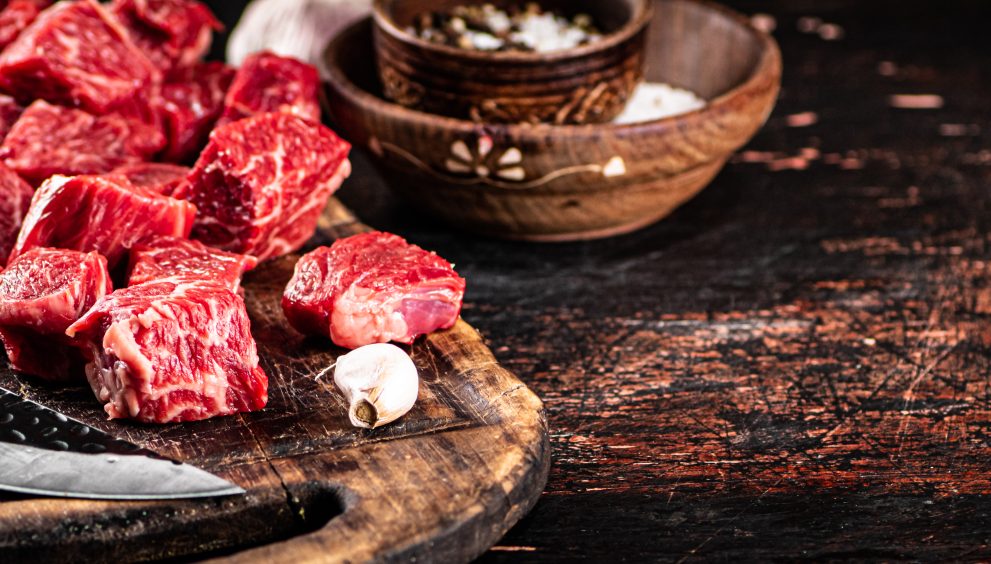
Zabiha restaurants across the United States have become vital hubs for Muslims seeking halal dining that complies with Islamic dietary laws. At the heart of this experience is the meat itself — meat that is slaughtered according to Zabiha principles, ensuring ethical handling, cleanliness, and religious compliance. But how exactly do these restaurants source their meat? Understanding the process provides insight into the quality, reliability, and trust that diners expect from Zabiha establishments. Trusted halal providers like Hilal Caters (https://halalcaters.com/) work closely with certified suppliers to ensure Zabiha standards are met from farm to kitchen, giving customers confidence in the authenticity and quality of every meal.
Understanding Zabiha Meat
Zabiha refers to meat that is slaughtered according to Islamic law. Key requirements include:
-
Invocation of Allah’s name at the time of slaughter
-
Humane treatment of the animal before and during slaughter
-
Complete drainage of blood
-
Healthy, live animals at the time of slaughter
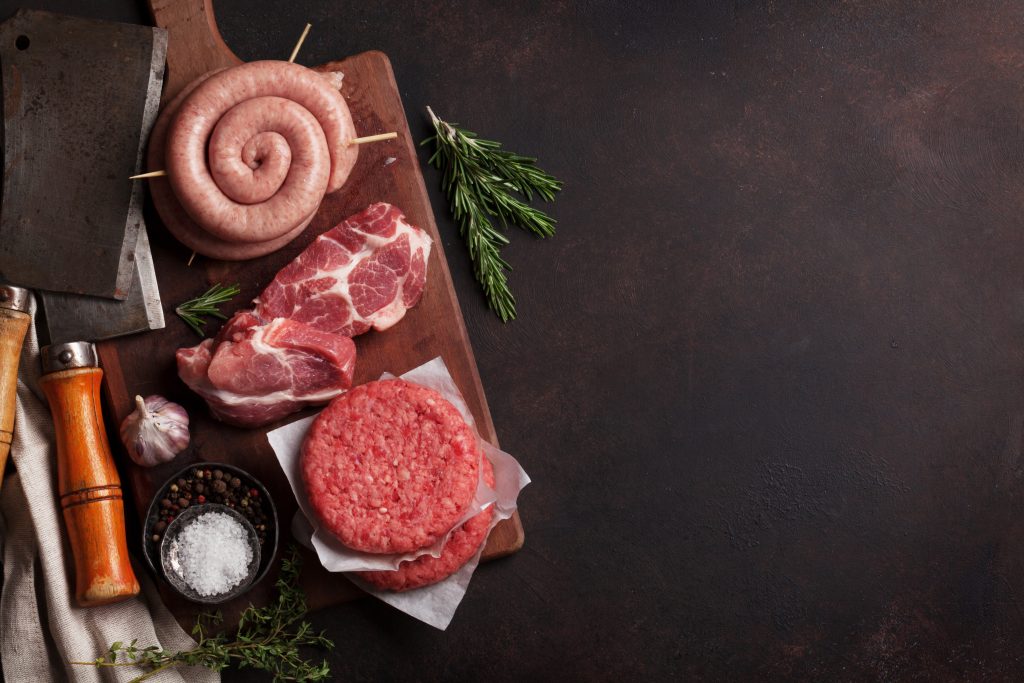
Because of these religious and ethical standards, sourcing Zabiha meat is more involved than typical meat procurement. Restaurants must ensure that every supplier they work with adheres strictly to these guidelines.
Working With Certified Suppliers
Most Zabiha restaurants in the U.S. rely on halal-certified suppliers who specialize in Zabiha meat. These suppliers often operate their own farms or work with small-scale farms that comply with Islamic standards.
Key practices include:
-
Verification of halal or Zabiha certification from trusted organizations like IFANCA (Islamic Food and Nutrition Council of America) or HFA (Halal Food Authority)
-
Regular audits to ensure compliance with Zabiha slaughter procedures
-
Traceable supply chains that allow restaurants to confirm the origin of meat
By sourcing from certified suppliers, restaurants can guarantee their customers receive meat that is both halal and high quality.
Local vs. National Sourcing
Some Zabiha restaurants prioritize local farms to maintain freshness and support smaller communities, while others work with national distributors for consistency and availability.
Benefits of local sourcing:
-
Fresher meat, often delivered within hours of slaughter
-
Stronger relationships with suppliers
-
Support for local Muslim-owned farms or cooperatives
Benefits of national distributors:
-
Consistent supply of chicken, beef, or lamb for high-demand restaurants
-
Certified Zabiha meat available even in regions with fewer local suppliers
-
Streamlined logistics for chains or larger establishments
Many restaurants use a combination of both approaches to balance quality, availability, and cost.
Specialized Slaughter Facilities
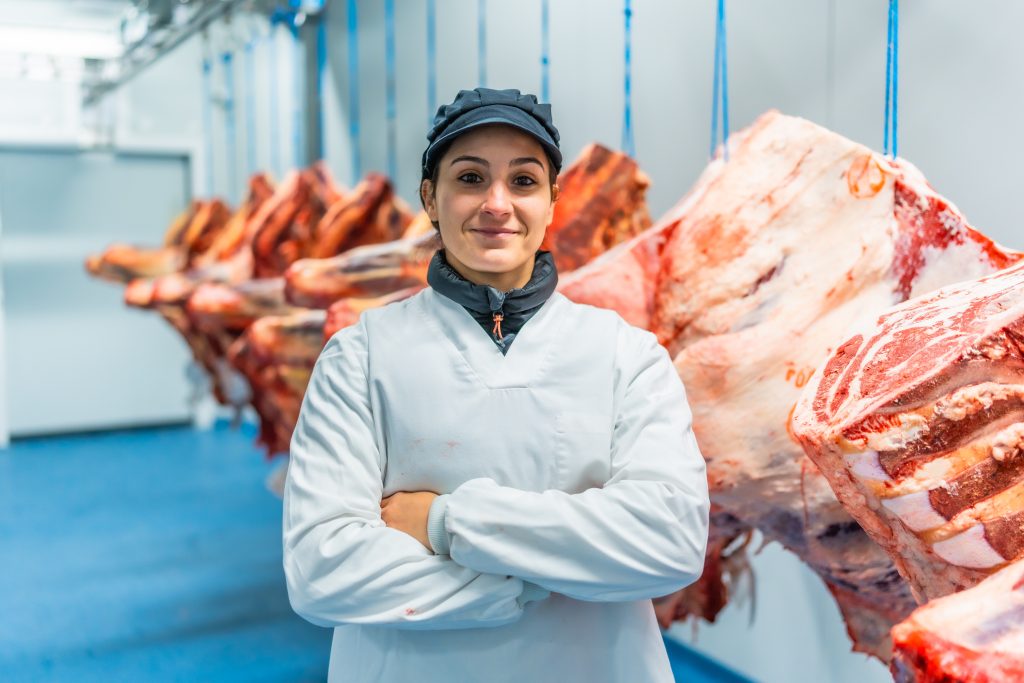
Zabiha meat requires slaughter facilities that follow strict religious and hygiene standards. Many US suppliers have dedicated halal slaughterhouses to ensure compliance.
What these facilities offer:
-
Proper handling to reduce stress for the animal
-
Segregation from non-halal operations to avoid cross-contamination
-
On-site verification of the Zabiha process for certification
This careful approach ensures that restaurants receive meat that meets the expectations of their faith-conscious customers.
Fresh, Frozen, and Pre-Packaged Options
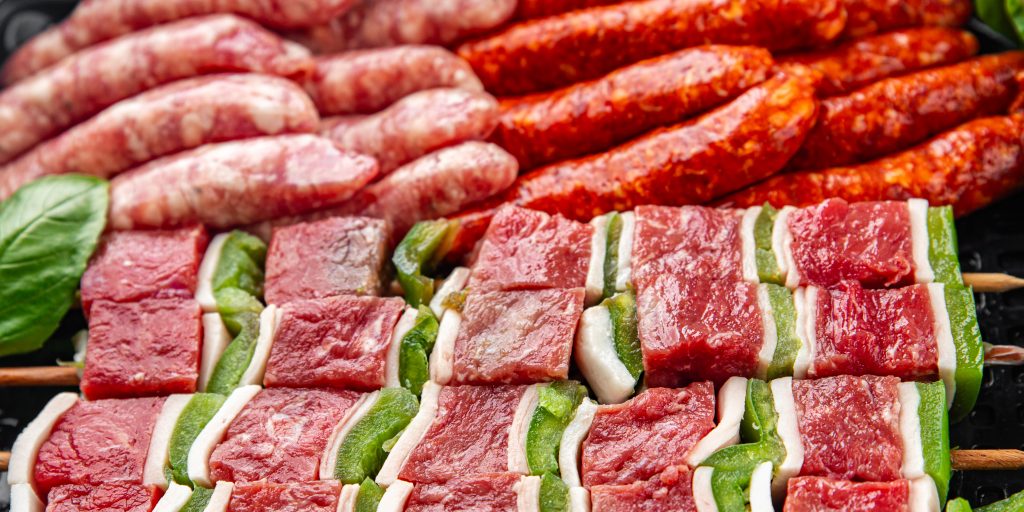
Depending on the restaurant and region, Zabiha meat may be delivered fresh, frozen, or pre-packaged.
-
Fresh meat is ideal for quality-sensitive dishes and often comes from nearby farms
-
Frozen meat allows restaurants to maintain inventory for high-demand menu items
-
Pre-packaged Zabiha meat from trusted suppliers ensures easy storage and labeling for compliance
Restaurants select the type of meat based on operational needs while maintaining Zabiha standards.
Transparency and Customer Trust
Many US Zabiha restaurants emphasize transparency in sourcing to build trust with customers:
-
Displaying certification logos on menus or packaging
-
Sharing supplier information when requested
-
Educating diners about Zabiha practices and ethical slaughter
This transparency reassures customers that their meals comply with religious requirements and ethical standards.
Supporting Ethical and Community-Oriented Practices
By sourcing responsibly, Zabiha restaurants also support ethical agriculture and community businesses:
-
Choosing suppliers who prioritize animal welfare
-
Partnering with Muslim-owned farms and distributors
-
Encouraging sustainable and local farming practices
These practices align with both religious principles and modern ethical standards, reinforcing the cultural and spiritual significance of Zabiha dining.
Final Thoughts
The quality of a Zabiha restaurant begins with its meat. Through careful sourcing from certified suppliers, local farms, and specialized slaughter facilities, US Zabiha restaurants ensure that every dish served meets halal requirements, ethical standards, and customer expectations.
For diners, knowing that the meat comes from trusted, verified sources adds confidence, allowing them to enjoy meals with peace of mind. Beyond taste, Zabiha sourcing represents a commitment to faith, community, and responsible consumption — values at the heart of every Zabiha restaurant in America.