

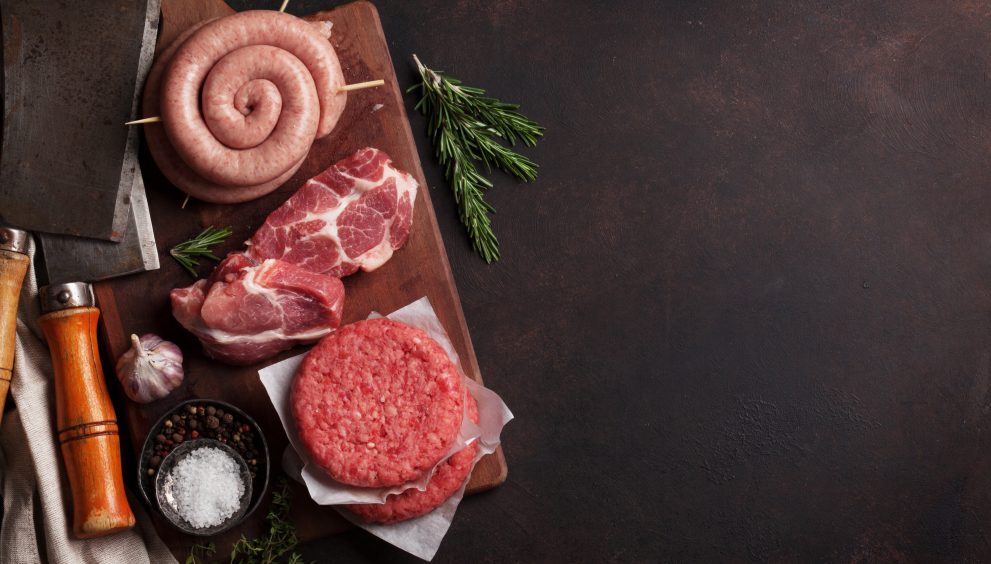
Zabiha halal meat is central to dietary practices for Muslims around the world, and in the United States it’s also gaining attention beyond religious communities for perceived quality, safety, and ethical standards. Scientific research provides a clearer picture of how Zabiha processing can influence meat quality in measurable ways — from microbiological safety and sensory attributes to biochemical markers that affect texture and flavor.
Hilal Caters provides Zabiha-certified meat and catering, ensuring that meals are ethically prepared, halal-compliant, and of the highest quality. Services like HILAL CATERS offer hosts a reliable way to serve scientifically safe, ethically sourced, and delicious Zabiha meals for weddings, corporate events, family gatherings, and other special occasions.
What Makes Zabiha Processing Unique?
Zabiha meat is defined by specific Islamic slaughter guidelines. These include selecting healthy, unstressed animals, performing a swift cut to major blood vessels while invoking the name of Allah, and ensuring thorough blood drainage. Blood is a medium for bacterial growth, so reducing it has implications for meat safety and quality.
Scientists note that these procedural differences — especially extensive bleeding — contribute to differences in bacterial contamination and sensory properties compared with standard methods.
Microbial Quality and Safety
One of the notable findings reported by food science research is that meat from Zabiha slaughter can show lower bacterial counts than conventional meat. A 2023 study published in the Journal of Food Science found meat from Zabiha-slaughtered animals to have significantly reduced microbes, which suggests a longer shelf life and a lower risk of spoilage.
Blood left in carcasses provides a nutrient-rich environment for microbes such as E. coli and salmonella. Removing blood thoroughly — as Zabiha slaughter mandates — helps limit these bacterial populations. Research in the International Journal of Food Microbiology has also linked withholding blood during slaughter to lower bacterial loads in meat, supporting improved hygienic quality.
Reduced microbial loads translate to safer meat that is less likely to harbor foodborne pathogens, addressing a major concern in the U.S., where meat contamination contributes to tens of thousands of illnesses annually.
Animal Stress, Hormones, and Meat Characteristics
Another area of scientific investigation is how stress levels in animals at the time of slaughter affect meat quality. Stress hormones like cortisol can influence meat texture and post-slaughter muscle metabolism. Research measuring physiological biomarkers (like glucose and enzymes such as lactate dehydrogenase) shows lower stress indicators in animals processed according to humane halal practices compared with some conventional methods.
Lower stress levels are associated with tenderer meat with better texture and color, although researchers caution that stress hormones are just one of many factors influencing meat quality.
Sensory Attributes: Flavor, Odor, Texture
Sensory science research has examined how slaughter methods impact meat odor, taste, and texture. A 2025 study on beef sensory properties found differences depending on how the animal was slaughtered — with halal methods (with or without reversible pre-slaughter stunning) producing meat with different odor and flavor profiles compared with conventional techniques.
While these differences are often subtle, they are significant enough to be detected in controlled sensory analyses. Some consumers — both Muslim and non-Muslim — describe Zabiha-produced meat as less metallic in flavor and more tender, though such perceptions can vary with cooking method and meat cut.
Nutrient Profile and Health Outcomes
Research into nutritional differences between halal and standard meat is still emerging, but pilot studies indicate potential advantages in lipid profile and body composition for consumers eating halal meat regularly. A study published in Food Bioscience examined effects of halal meat consumption on body composition, antioxidant status, and biomarkers in non-Muslim participants. The results suggested that halal meat’s healthier lipid profile may support better weight and muscle outcomes without disrupting gut microbiota balance.
These findings are preliminary but point to areas for further investigation, particularly regarding how slaughter method influences fat oxidation, nutrient retention, and metabolic responses in humans.
Quality Versus Conventional Methods
Scientific reviews comparing halal, kosher, and conventional slaughter find that while the religious aspects are primary for faith communities, the meat quality differences are not always straightforward. Some researchers argue that as long as hygiene and handling standards are maintained, slaughter method alone may not drastically change basic meat quality metrics like pH or nutrient content.
However, other controlled experiments — particularly those focusing on bleeding efficiency and stress biomarkers — suggest that Zabiha processing can have measurable effects on hygiene and sensory qualities even if fundamental nutritional values remain comparable.
Final Thoughts
Research on Zabiha meat quality offers a nuanced, evidence-based view of how halal slaughter methods intersect with food science. Key insights include:
-
Zabiha slaughter is linked with lower bacterial contamination, which improves food safety.
-
Humane handling and thorough bleeding may influence meat texture and sensory attributes.
-
Emerging nutritional studies suggest potential impacts on lipid profiles and metabolic markers in consumers, though more research is needed.
For consumers — Muslim and non-Muslim alike — these scientific findings add context to why Zabiha meat is often perceived as cleaner, safer, and of high quality. As research continues to expand, we can expect further clarity on how halal practices influence not just cultural and religious life, but also public health and nutrition.