






































What First-Time Diners Should Know About Zabiha Restaurants


Visiting a Zabiha restaurant for the first time can be an exciting experience. These halal-certified restaurants offer a combination of flavorful meals, cultural traditions, and community connection. However, for newcomers, understanding the basics of Zabiha dining can make the visit smoother, more enjoyable, and respectful of the restaurant’s practices. Trusted providers like Hilal Caters (https://halalcaters.com/) also help introduce people to authentic Zabiha cuisine through high-quality meals and catering services, making halal dining accessible both in restaurants and at home.
Whether you are Muslim, exploring halal cuisine for the first time, or simply curious about Zabiha dining, these tips provide a helpful guide.
1. Understand What Zabiha Means
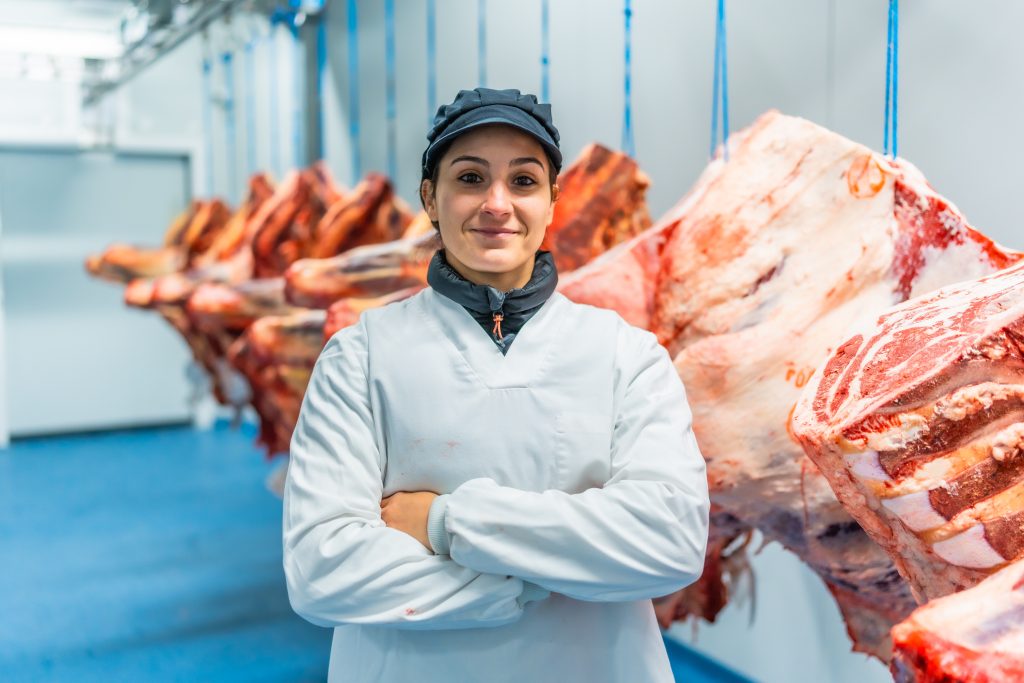
Zabiha meat is slaughtered according to Islamic law, which ensures:
-
The name of Allah is invoked at the time of slaughter
-
Animals are treated humanely and are healthy before being slaughtered
-
Blood is fully drained from the meat
Knowing this helps diners appreciate why Zabiha restaurants focus on certain ingredients and preparation methods. For Muslims, it also provides religious assurance, while for non-Muslims, it highlights ethical and hygienic practices.
2. Know the Menu
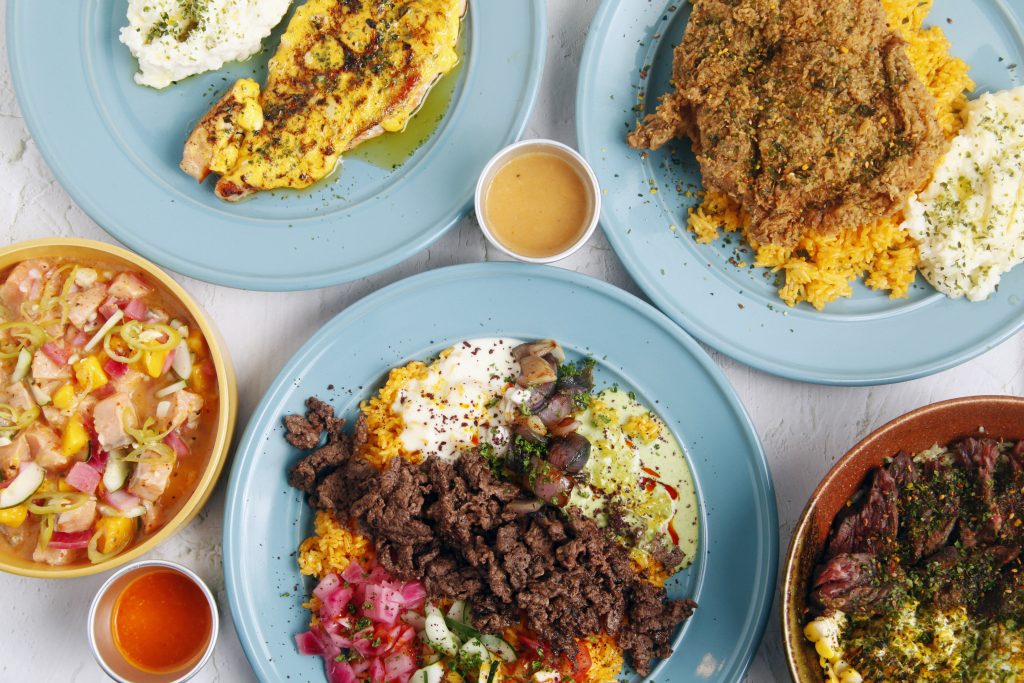
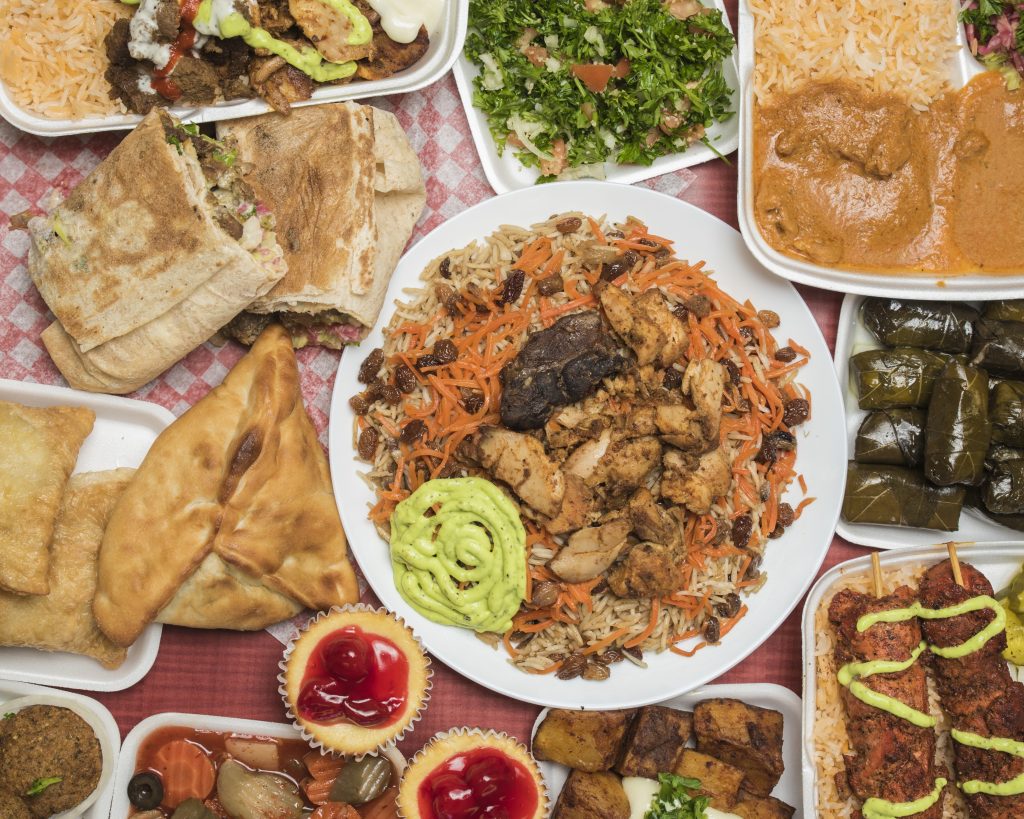
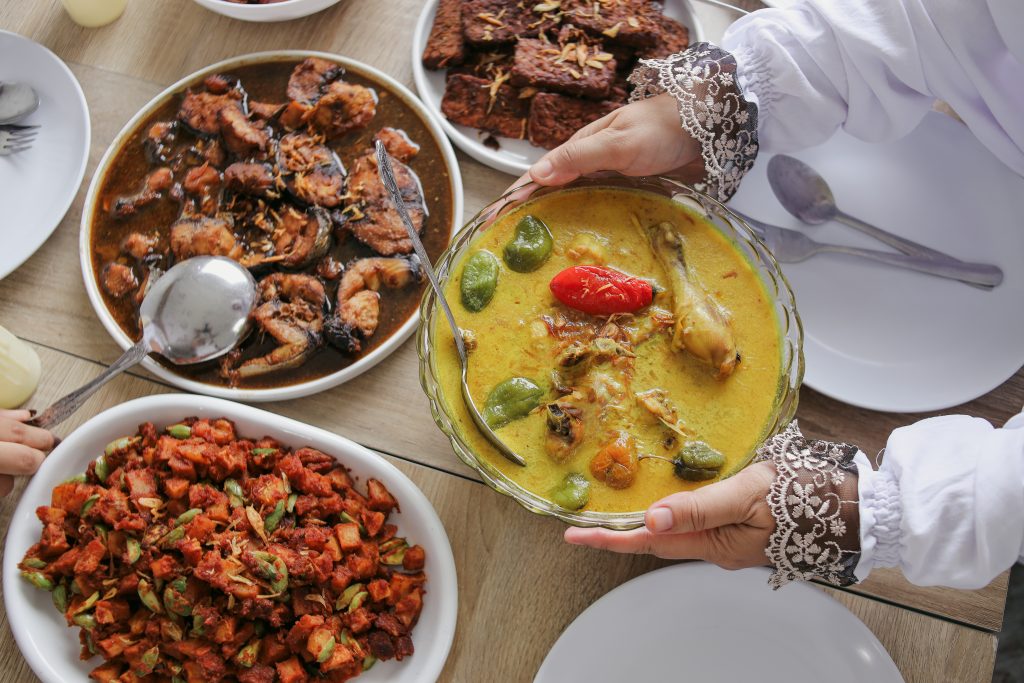
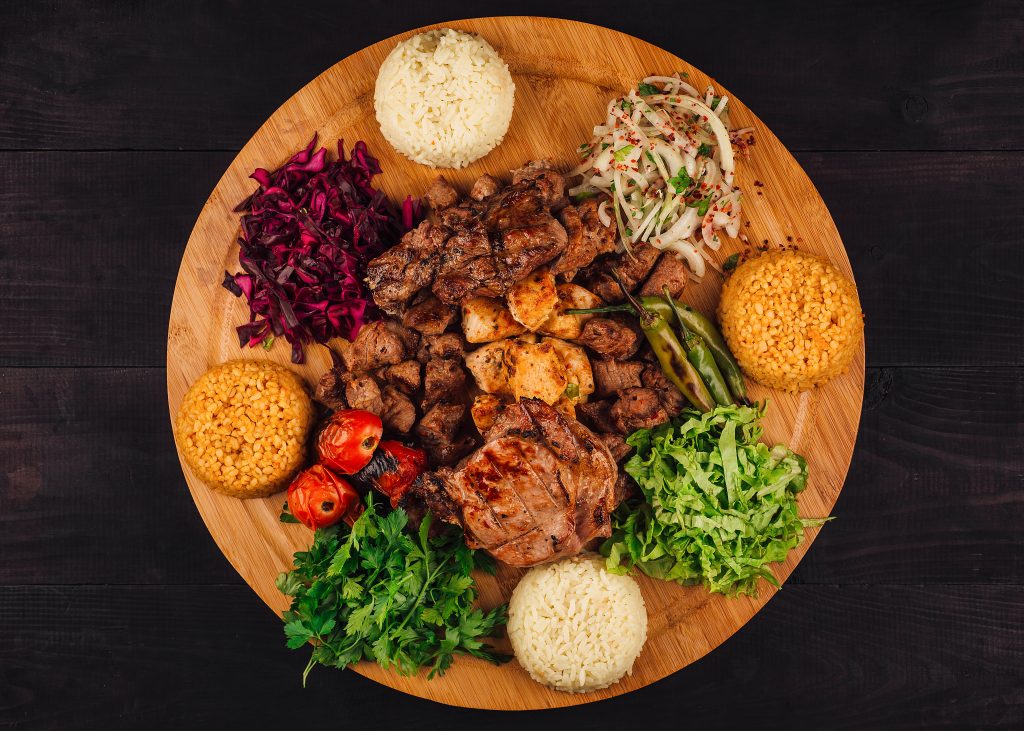
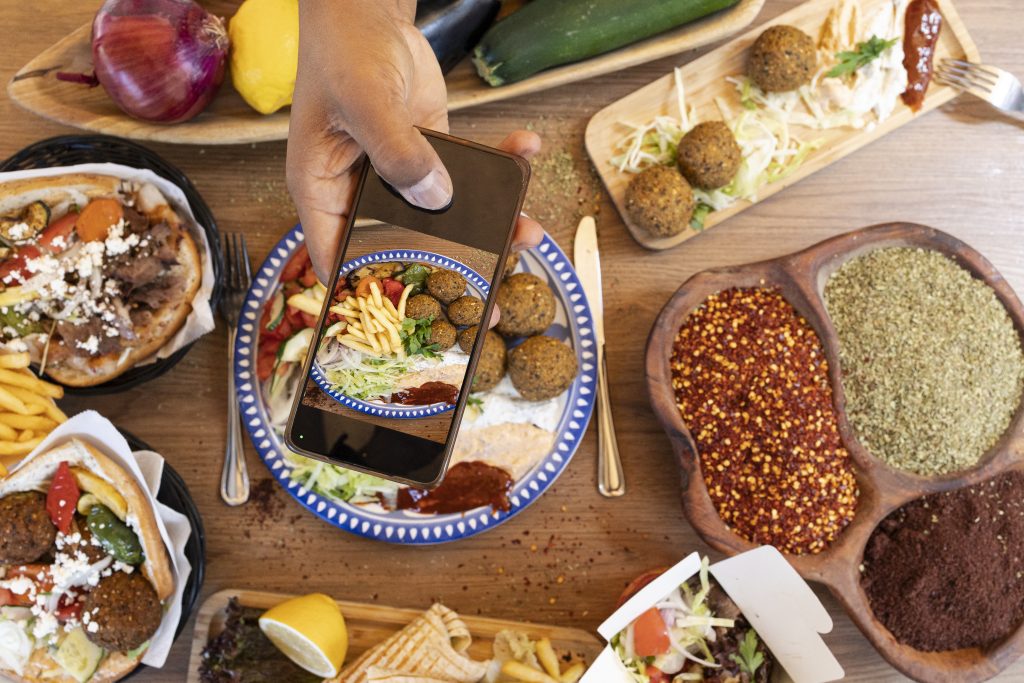
Zabiha restaurants often feature cuisine from South Asia, the Middle East, North Africa, or other halal traditions. First-time diners should:
-
Browse the menu online if available to familiarize themselves with dishes
-
Ask staff for recommendations or explanations of unfamiliar items
-
Take note of portion sizes, as family-style servings are common in some establishments
Being prepared ensures you can enjoy the full range of flavors without confusion or delay.
3. Ask Questions Politely
First-time diners may have questions about halal compliance, ingredients, or cooking methods. Restaurants welcome polite inquiries:
-
Ask if a dish contains Zabiha meat
-
Confirm spice levels or dietary restrictions
-
Inquire about vegetarian or allergy-friendly options
Respectful questions help diners make informed choices without disrupting service.
4. Be Mindful of Cultural and Religious Practices
Zabiha restaurants often operate as community hubs. Observing certain practices shows respect:
-
Avoid bringing non-halal items into the restaurant
-
Follow any posted guidelines regarding prayer or communal spaces
-
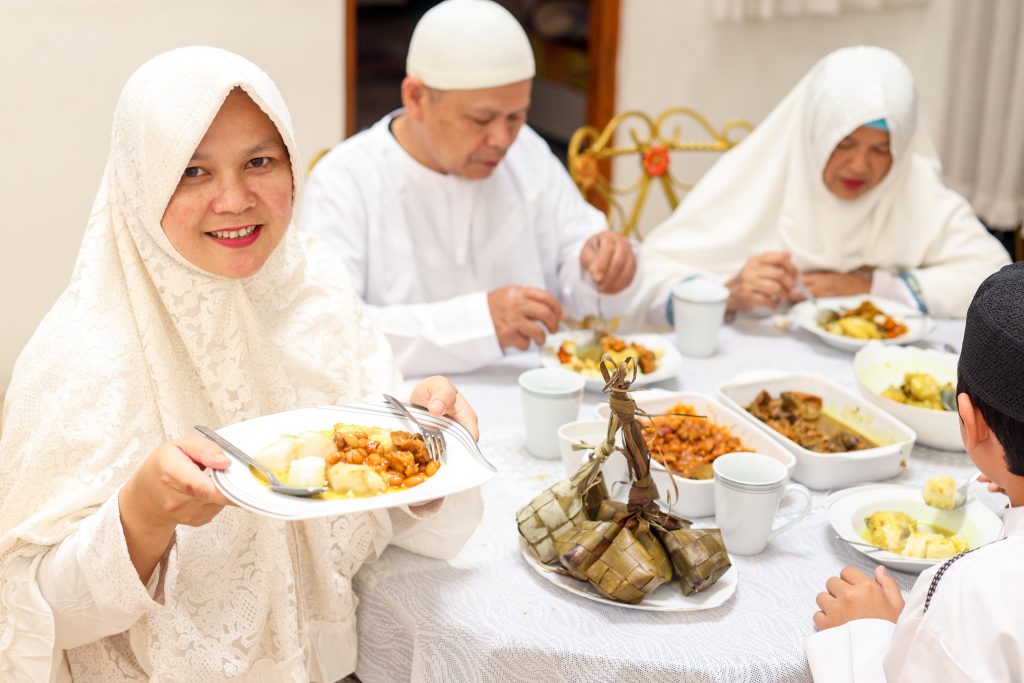
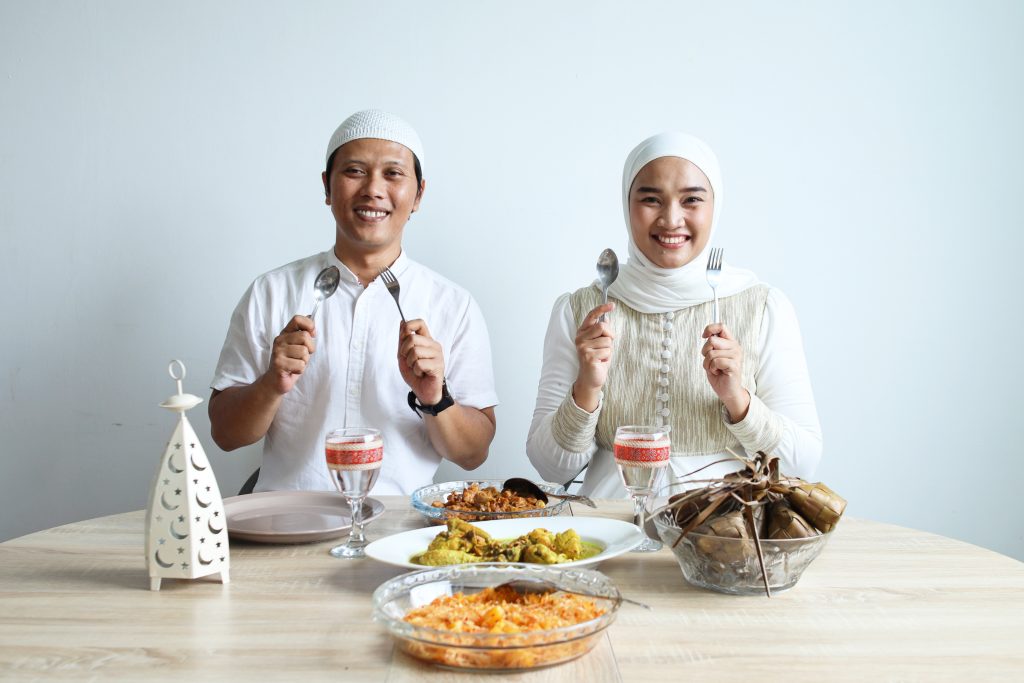
Respect dietary customs during Ramadan or special events
Understanding the cultural context enhances the dining experience and demonstrates appreciation for the restaurant’s values.
5. Table Manners and Dining Etiquette
Good table manners are universally appreciated:
-
Wash hands before meals, especially when eating with hands
-
Use utensils where appropriate, or follow traditional hand-eating practices if comfortable
-
Avoid loud conversations that may disrupt others
-
Be courteous to staff, who may be managing multiple tables at once
These simple gestures create a pleasant environment for everyone.
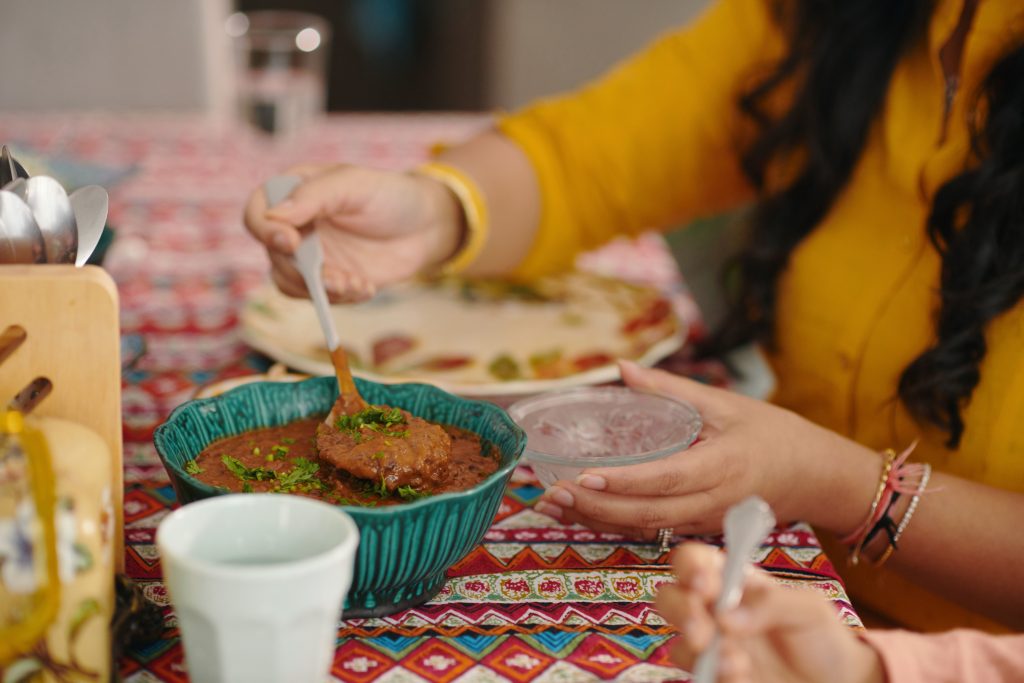
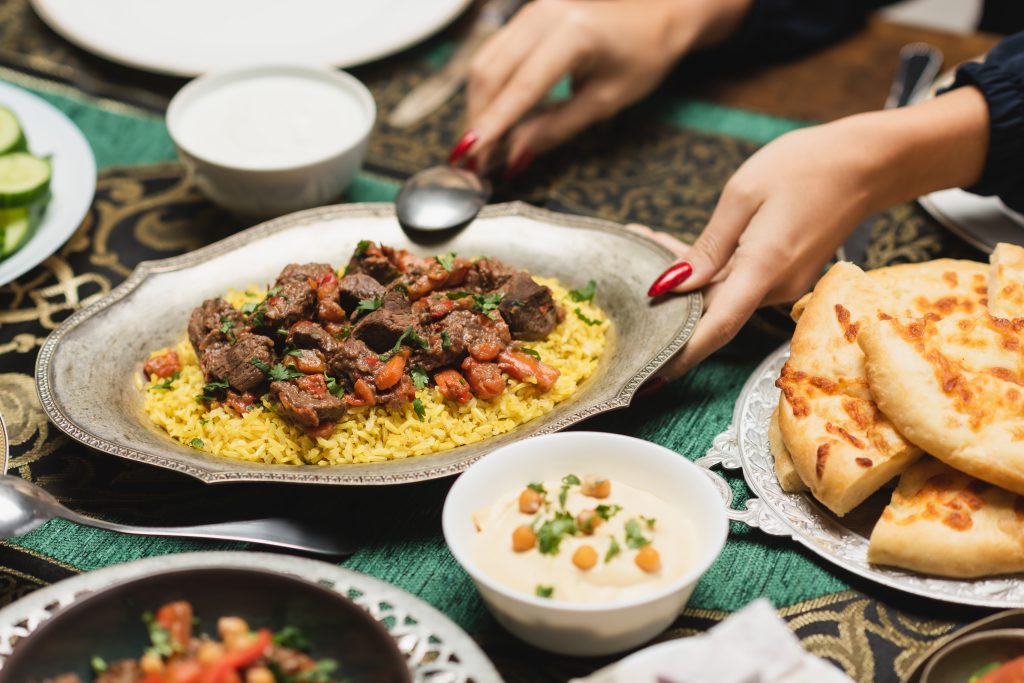
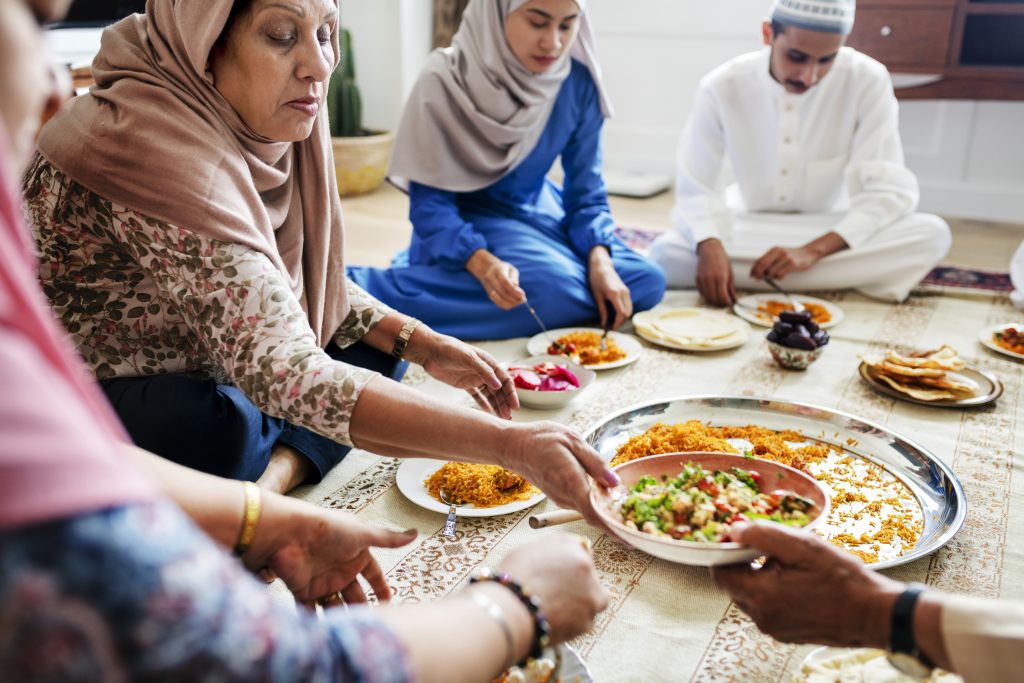
6. Be Prepared for Communal Dining
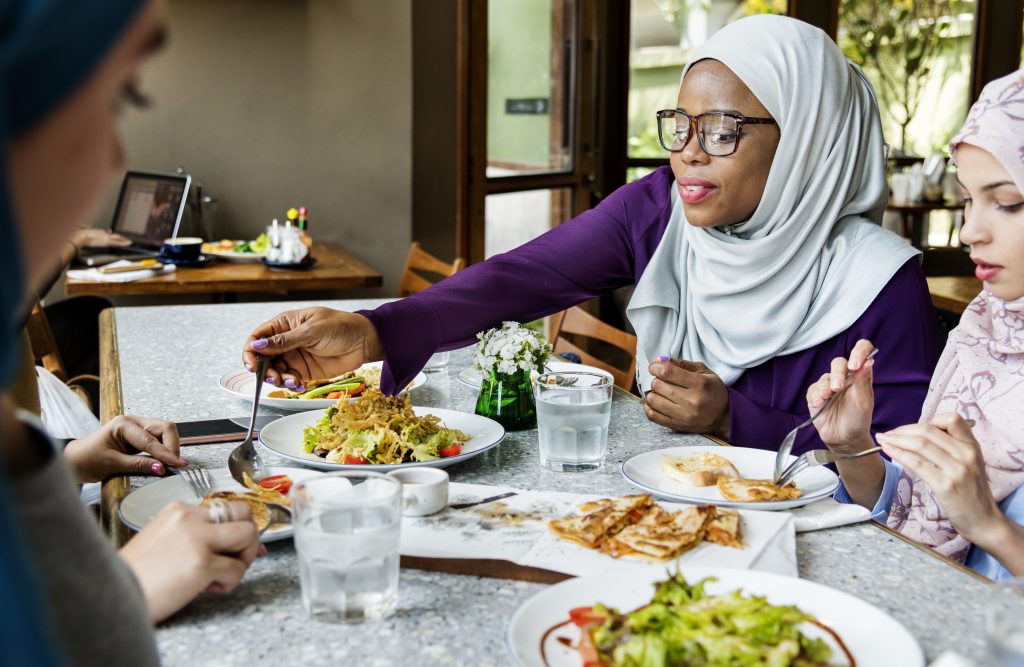
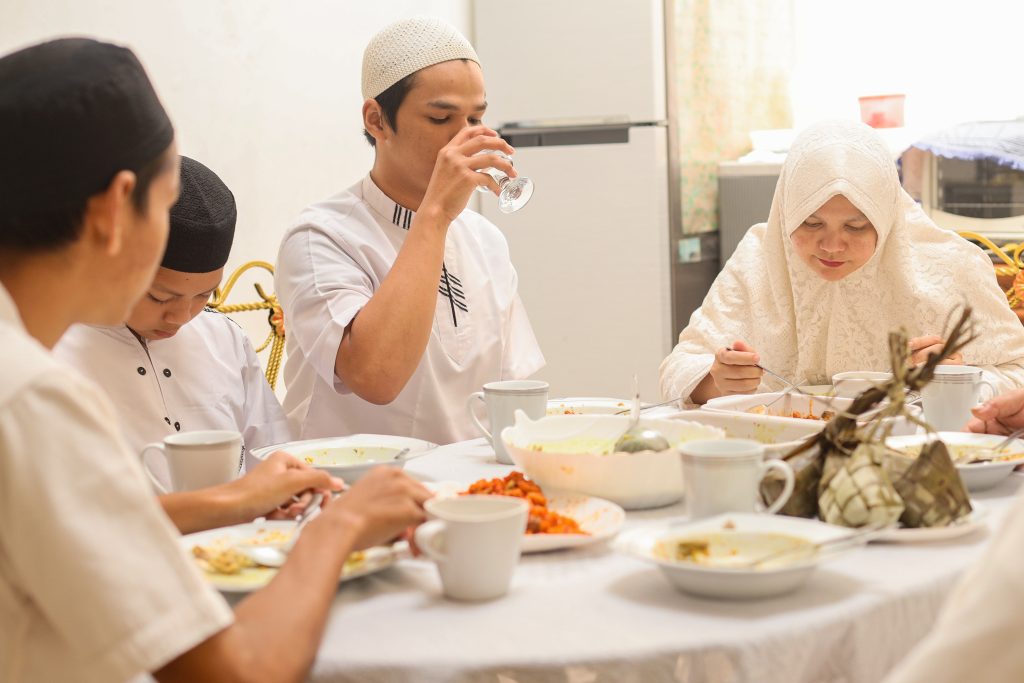
Many Zabiha restaurants encourage shared dining experiences:
-
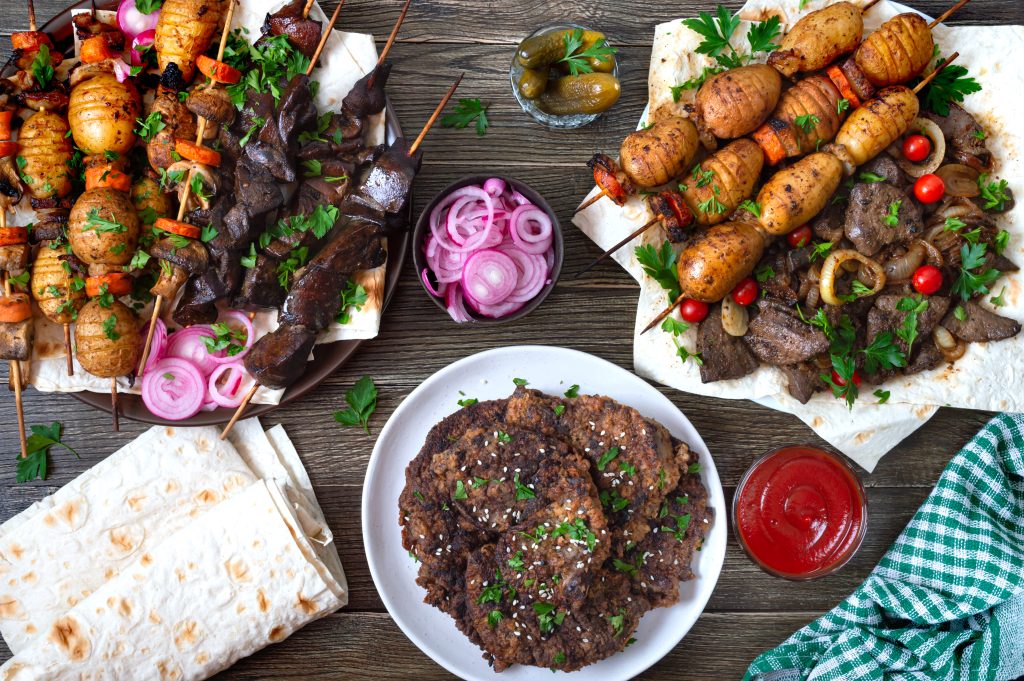
Family platters or group meals are common
-
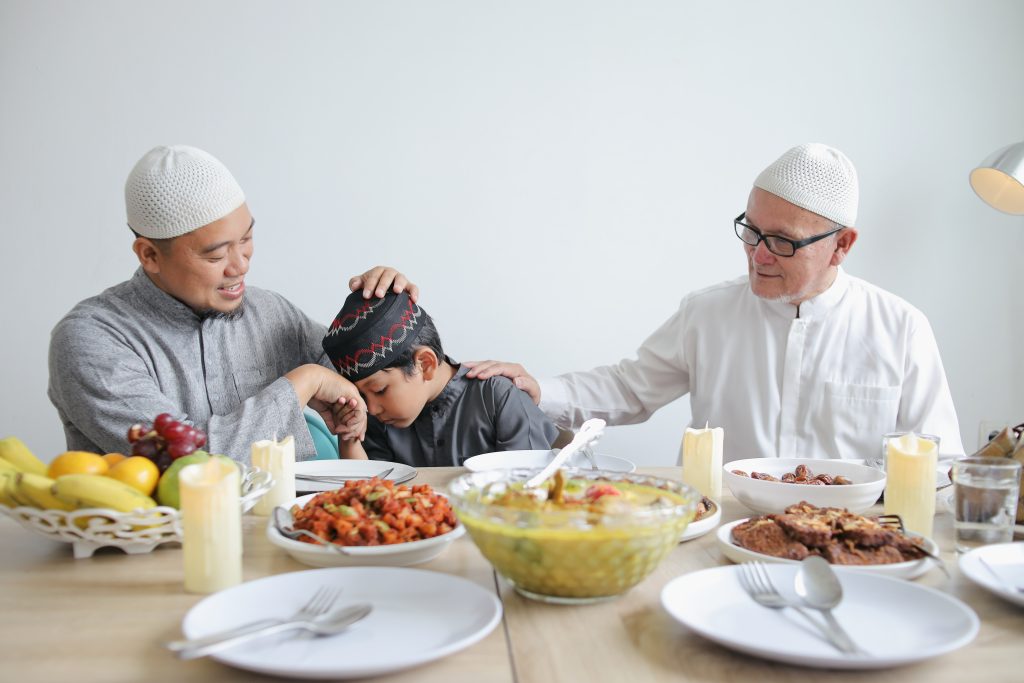
Sharing dishes fosters a sense of community and cultural connection
-
First-time diners should be open to trying different dishes and passing food around the table
Communal dining is part of the cultural experience and adds to the enjoyment of Zabiha meals.
7. Respect Staff and Owners
Most Zabiha restaurants are family-owned or community-operated. Diners can support them by:
-
Being patient during busy hours
-
Following seating and reservation policies
-
Tipping appropriately where customary
Respecting staff ensures a positive dining experience for both the diner and the broader community.
8. Enjoy the Experience
First-time visits are an opportunity to explore:
-
New flavors and cooking styles
-
Community traditions and family-oriented dining culture
-
Learning about halal and Zabiha practices
Embrace the experience fully — ask questions, sample different dishes, and take the time to savor the food and atmosphere.
Final Thoughts
Visiting a Zabiha restaurant for the first time is more than a meal — it is a cultural and religious experience. By understanding what Zabiha meat is, familiarizing yourself with the menu, observing etiquette, and being respectful of the restaurant’s practices, first-time diners can enjoy a fulfilling and authentic experience.
These restaurants provide not just food but a sense of community, tradition, and connection. Approaching your first visit with curiosity, respect, and an open mind will ensure a memorable dining experience — and likely make it the first of many visits.