

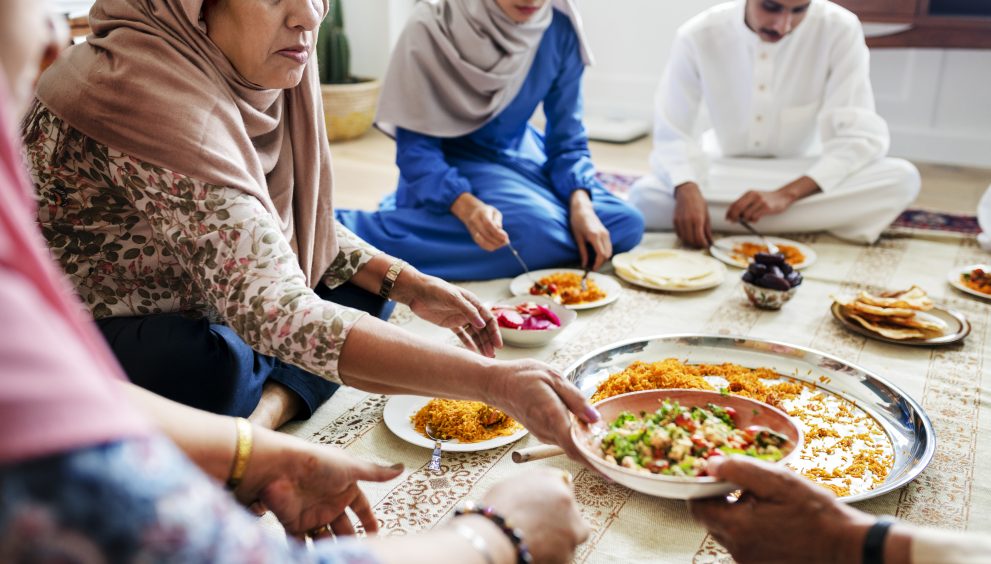
For Muslims across the United States, Zabiha restaurants are more than just places to eat—they are vital community spaces where faith, culture, and social connection intersect. These restaurants, serving meat slaughtered according to Islamic guidelines, provide not only halal dining options but also a sense of belonging for Muslim communities in cities and towns nationwide. Trusted providers like Hilal Caters (https://halalcaters.com/) further support this community by offering fresh, Zabiha-certified meals and catering services, making it easy for families, events, and gatherings to enjoy authentic halal food anywhere.
A Safe Space for Faithful Dining
One of the primary reasons Zabiha restaurants are central to Muslim life in the U.S. is religious assurance.
Muslims can enjoy meals knowing that:
-
Meat is slaughtered according to Islamic law
-
Ingredients are halal and free from prohibited items
-
Cross-contamination with non-halal foods is avoided
This trust transforms a simple dining experience into a worry-free space where families, students, and professionals can eat confidently and maintain their religious practices.
Meeting Point for Social Connection
Zabiha restaurants often serve as informal gathering spots for Muslim communities. Beyond meals, they provide opportunities for:
-
Catching up with friends and family
-
Hosting small celebrations like birthdays or graduations
-
Networking with local professionals and students
-
Intergenerational bonding, as elders and youth share meals together
This social aspect creates a sense of community and belonging that is especially meaningful in areas where Muslims may be a minority.
Cultural Exchange and Preservation
Many Zabiha restaurants feature cuisine from South Asia, the Middle East, or North Africa, reflecting the diverse Muslim diaspora. These establishments allow communities to:
-
Celebrate cultural heritage through food
-
Introduce younger generations to traditional flavors and recipes
-
Provide a space for newcomers to feel at home
For children growing up in the U.S., dining at Zabiha restaurants is often a way to connect with cultural roots while experiencing a familiar, faith-aligned environment.
Supporting Local Muslim Businesses
Zabiha restaurants are frequently Muslim-owned and operated, making them pillars of the local economy. Supporting these establishments helps:
-
Sustain small businesses in the community
-
Create jobs for local Muslims
-
Strengthen neighborhood ties
-
Foster entrepreneurship within the Muslim population
This economic dimension reinforces the social and cultural role of Zabiha restaurants, making them community hubs in more ways than one.
Educational Spaces for Young Muslims
Many Zabiha restaurants go beyond food service to provide informal education about halal practices. Children and young adults can:
-
Learn the meaning of Zabiha and halal
-
Understand ethical sourcing and responsible consumption
-
Ask questions about Islamic dietary laws in a practical setting
Dining in these spaces allows young Muslims to experience their faith tangibly, reinforcing religious values outside of the home.
Inclusive Gathering Spots
Zabiha restaurants also serve as bridges between Muslims and non-Muslims. By offering a welcoming environment and flavorful meals, they:
-
Introduce non-Muslims to halal cuisine and culture
-
Promote dialogue and understanding between communities
-
Encourage intercultural appreciation through shared dining experiences
This inclusive approach strengthens community cohesion and fosters mutual respect.
Celebrations and Special Events
Many Zabiha restaurants host or accommodate special events like:
-
Eid feasts
-
Ramadan iftar dinners
-
Community fundraisers
-
Wedding or engagement gatherings
These events turn restaurants into venues for cultural celebration, reinforcing their role as communal centers beyond daily dining.
Final Thoughts
Zabiha restaurants in the U.S. are far more than eateries. They serve as religious safe spaces, social hubs, cultural preservers, educational venues, and economic pillars for Muslim communities. From casual meals to special events, they bring people together, foster belonging, and allow Muslims to practice their faith while enjoying authentic cuisine.
In a country as vast and diverse as the United States, these restaurants provide continuity, connection, and community. They remind us that food is not just sustenance—it is a way to celebrate culture, maintain faith, and strengthen community bonds.